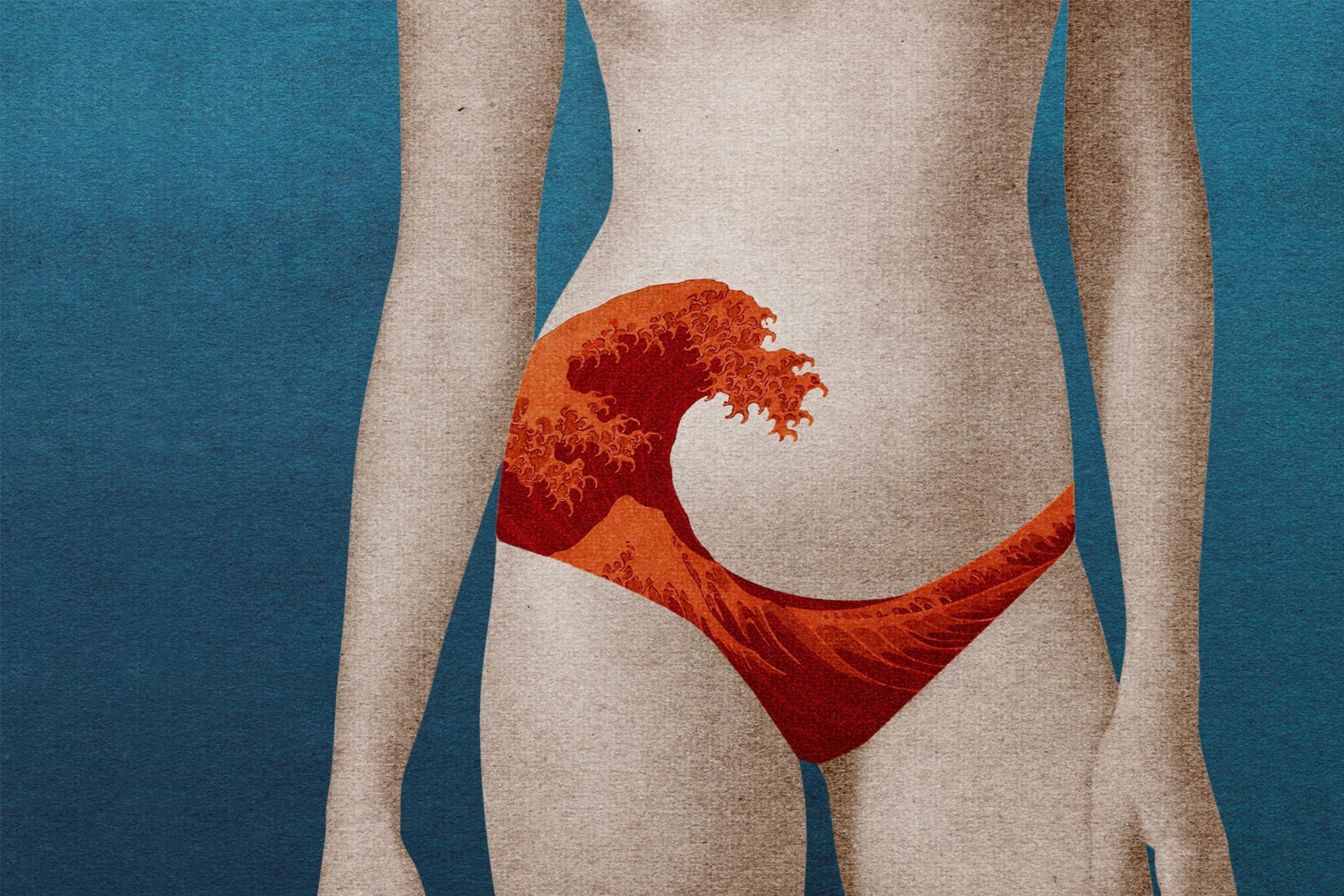
“Doctor, every month I can’t get out of bed for two days; is this normal?” I hear this question very often at the examination. Period pain is a cramping pain felt in the lower abdomen just before or during menstrual bleeding. Some pain and some tension before a period are considered normal up to a point; pain that prevents you from doing your daily tasks, however, is not normal and needs to be both investigated and treated.
Key Takeaways
- Period pain is caused by compounds called prostaglandins, produced in excessive amounts in the uterine lining, which make the uterus contract.
- Period pain severe enough to interfere with daily life is abnormal; its cause should be investigated and treated.
- Symptoms of premenstrual tension usually start just before a period and can last until the period ends.
- According to the NHS, period pain usually lasts no more than 3 days.
- Applying heat to the lower abdomen, regular exercise, painkillers and the birth control pill are the main ways to find relief.
What causes period pain?
During a period, the uterus contracts to push out the lining that is being shed. These contractions are controlled by compounds called prostaglandins, which are produced in the uterine lining. When prostaglandins are produced in excessive amounts, the contractions become stronger, the blood flow to the uterine tissue is temporarily reduced, and the pain begins.
MedlinePlus, the patient site of the US National Library of Medicine, also states that prostaglandin activity is increased in primary period pain. According to the same source, painful periods are the leading cause of missed school and work among women in their teens and 20s. In other words, this complaint is both common and a problem that genuinely affects life.
The difference between primary and secondary period pain
In medicine we call painful periods dysmenorrhea and divide it into two groups. Primary dysmenorrhea is pain that starts with the first periods and has no specific underlying disease. I see it more often in young girls and in women who have not given birth.
Secondary dysmenorrhea is pain that appears later in a woman who has had comfortable periods for years. MedlinePlus writes that this type of pain is usually linked to a problem such as endometriosis (the uterine lining growing outside the uterus), fibroids or pelvic infection. If your pain has increased over the years or its character has changed, I investigate it separately.
| Feature | Primary period pain | Secondary period pain |
|---|---|---|
| When it starts | With the first periods | Years later, after previously comfortable periods |
| Underlying cause | No specific disease; excess prostaglandins | A problem such as endometriosis, adenomyosis, fibroids or pelvic infection |
| Course | Usually decreases with age and after giving birth | May increase over time |
| My approach | Treatments that relieve the symptoms | First finding the cause and treating it |
What is premenstrual tension?
Premenstrual tension, known medically as premenstrual syndrome (PMS), is the sum of the physical and emotional complaints that appear in the days before a period. The changes in the hormones of the female reproductive system over the cycle cause this tension. Women and their partners should know this: these complaints are real, and there are changes at the molecular level behind them.
According to MedlinePlus, premenstrual syndrome symptoms start 14 or more days after the first day of the last period and usually go away 1-2 days after the period starts. The same source states that these complaints are more common between the late 20s and the 40s, in women who have had at least one child, and in those with a history of depression. The symptoms do not have to be equally severe every month.
The most common complaints of premenstrual tension
In most women, pain and other complaints start just before the period and last until it ends. The complaints I hear most often at the examination are:
- Cramping pain in the lower abdomen, lower back and back pain.
- Nausea, vomiting, diarrhea or constipation.
- Fatigue, dizziness and hot flushes.
- Tension, irritability and forgetfulness.
- Tenderness and tightness in the breasts.
- Acne breakouts on the skin.
- Strong cravings for sweets, or loss of appetite.
Experiencing some of these symptoms is common in healthy women too. What matters is how much the complaints affect your work, your relationships and your sleep.
The severe form: premenstrual dysphoric disorder
In some women, the emotional symptoms before a period are much more intense. The NHS states that in this severe form, called premenstrual dysphoric disorder (PMDD), anxiety, anger and low mood can seriously disrupt daily life. In this situation I plan not only gynecological but, if needed, also psychiatric support.
How long does period pain last?
According to the period pain page of the UK National Health Service (NHS), the pain usually lasts no more than 3 days and may affect daily activities during that time. The pain usually starts a few hours before the bleeding or together with it. For most women it is most severe in the first day or two.
The timing of the pain also tells me something. MedlinePlus states that pain that starts more than 5 days before a period or continues after the period has ended is among the situations in which you should consult a doctor. If you also have lower abdominal pain outside your periods, be sure to mention it at the examination.
What can you do to reduce period pain?
For mild and moderate pain, simple methods you can use at home often work. Applying a hot water bottle to the lower abdomen during your period is one of the oldest and most effective ways to reduce the pain. A warm shower or bath also relaxes the muscles.
The NHS recommendations are along the same lines: gentle massage of the abdomen and back, light exercise such as yoga, swimming or walking, and cutting down on alcohol and quitting smoking can ease the pain. Do not use the hot water bottle directly on the skin; wrap it in a towel and do not fall asleep on it. Painkillers are also an option I use often; decide which one to take, and at what dose, after consulting your doctor.
How is period pain treated?
When home measures are not enough, I plan treatment individually. In period pain treatment, painkillers, the birth control pill and applying heat to the lower abdomen are the main options. Birth control pills thin the uterine lining and reduce both the bleeding and the pain.
In secondary period pain, the main goal is to treat the underlying cause. If I find endometriosis, fibroids or a pelvic infection, I choose the treatment accordingly. With infections, protecting the vaginal flora is also important; I explain how a healthy flora works in my article on the bacteria that protect the vagina.
What can be done to reduce premenstrual tension?
Regular exercise is the simplest method of reducing premenstrual tension. The NHS also recommends a balanced diet, eating small meals every 2-3 hours during the day and making sleep a priority. Using the birth control pill is another treatment option that reduces the tension.
In women with severe complaints, simple antidepressant medicines can also be used in treatment. We decide together after the examination on the type of medicine and how long to take it. I recommend that women with significant premenstrual complaints share this with a gynecologist instead of going through the same stress every month, because we can clearly ease most of these complaints with treatment.
The benefit of keeping a symptom diary
There is no blood test or imaging to identify premenstrual tension; we make the diagnosis by looking at the timing of the symptoms. The NHS recommends keeping a symptom diary for at least 2 menstrual cycles before seeing a doctor. I also ask you to come to the examination with this record.
In your diary, write down the day your period started, the days your complaints started and ended, and how severe they were. Giving the pain a score from 0 to 10 makes it easier to compare month by month. This record shows whether the complaints are really linked to the cycle.
What do I look for at the examination?
First I ask when your pain started, how it has progressed and about your menstrual pattern. Then I assess the uterus and ovaries with a gynecological examination and transvaginal ultrasound. If there is a fibroid, an ovarian cyst or a cyst caused by endometriosis, ultrasound often shows it.
If there is a change in your discharge along with the pain, I also assess you for infection. I explain which discharge is considered normal in my article on normal vaginal discharge. You can find other gynecology topics in the gynecology category.
When should you see a doctor?
I recommend that you have an examination if your pain matches one of the following situations:
- If the pain prevents you from going to school or work or from doing your daily tasks.
- If your periods have become more painful, heavier or more irregular than before.
- If you have pain during sex, when urinating or when passing stools.
- If you have not found relief for several months despite painkillers and home measures.
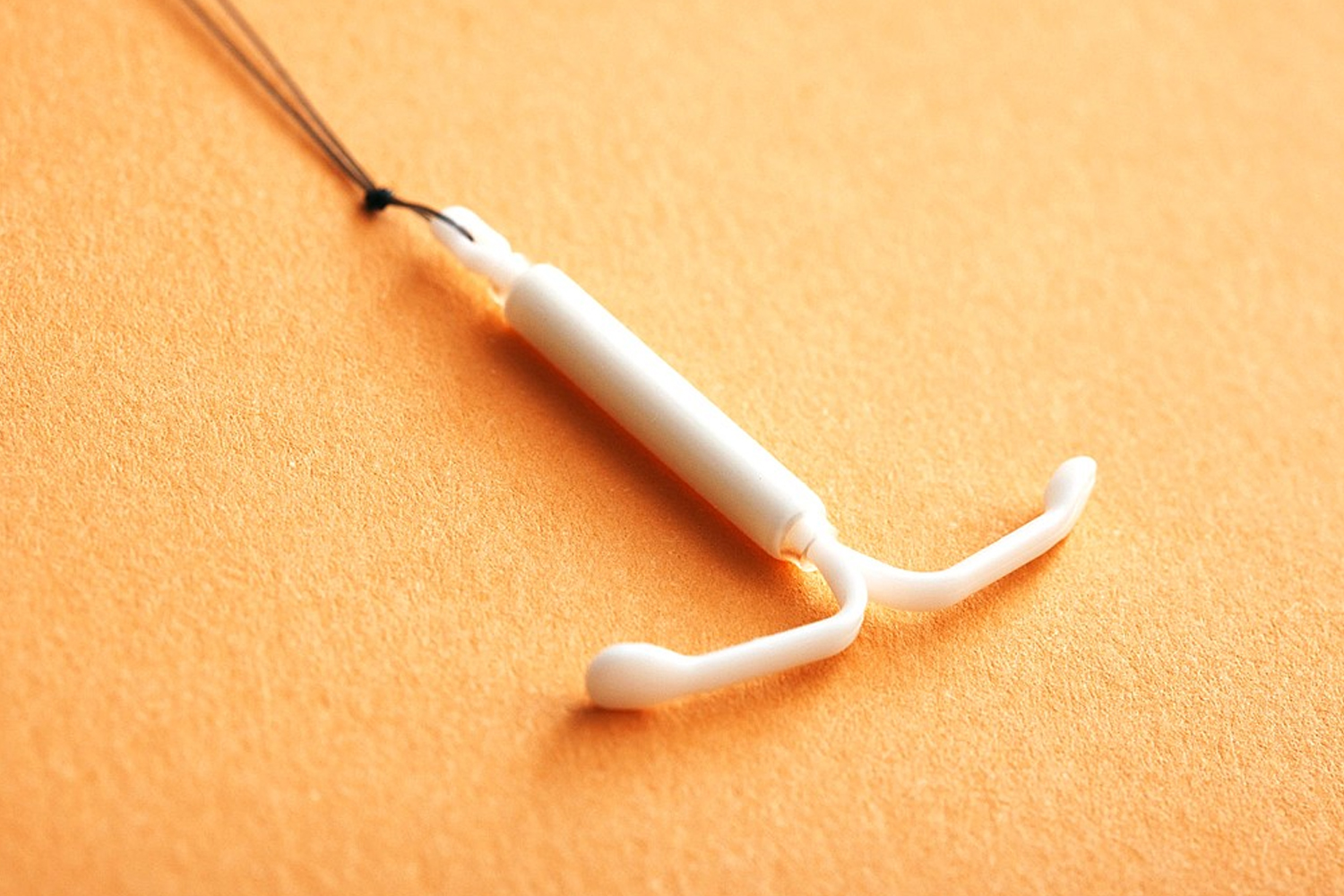
- If you still have significant pain months after having an IUD fitted.
Do not wait if you have lower abdominal pain with fever, a foul-smelling discharge, or very severe pain that starts suddenly. MedlinePlus lists severe pain that starts when a sexually active woman’s period is more than a week late among the situations that require urgent assessment; this picture raises the possibility of an ectopic pregnancy. If you have thoughts of harming yourself in the days before your period, call 112 (the emergency number in Turkey) immediately or go to the nearest emergency department.
At my clinic in Kırıkkale, every assessment is planned individually based on your examination and test results. With an examination and ultrasound, we determine whether your pain is primary or linked to an underlying problem, and choose the right treatment for you together. You can reach me through the contact page to book an appointment on a day that suits you.
This article was prepared and reviewed by Prof. Dr. Yavuz Şimşek. Since my training in open and laparoscopic surgery in the United Kingdom, when treating causes such as endometriosis and fibroids behind secondary period pain, I first aim to bring relief with medication and consider surgery if needed. This article is for general information only and does not replace an examination or treatment.