When I tell a patient during an examination that I see a fibroid on the ultrasound, the first question I hear is usually the same: “Doctor, do I need surgery?” A fibroid is a benign (non-cancerous) growth that develops from the muscle tissue of the uterus. Fibroid treatment is not the same for every woman; the location and size of the fibroid, the symptoms it causes, your age and whether you want children determine the decision. In this article I explain which fibroids I monitor, which ones I remove surgically, and why I do so.
Key Takeaways
- A fibroid is a benign growth that develops from the muscle tissue of the uterus and is seen in about one in four women aged 30-50.
- Fibroids that cause no symptoms usually do not need treatment; their size is monitored with ultrasound twice a year.
- When fibroid treatment is needed, the method is chosen according to the fibroid's location: those growing outward from the uterus can be removed with keyhole surgery, and those growing into the uterine cavity with hysteroscopy.
- After surgery, the chance of new fibroids developing in the uterus is about 20%; a new fibroid does not always mean a new operation.
- A fibroid turning into cancer is very rare; that is why fast-growing fibroids are monitored more closely.
What is a fibroid and how common is it?
A fibroid is a well-defined, benign lump that develops from the smooth muscle cells in the wall of the uterus. In medical language it is also called a leiomyoma or fibroid. Its size can range from a chickpea to a melon. There is often more than one fibroid in the uterus, and they are scattered in different parts of the uterus.

The picture above shows the fibroids I removed surgically from one of my patients. As you can see, fibroids may not be a single mass; there can be many of them, of different sizes, within the uterus. That is why, when deciding on surgery, I look not only at the largest fibroid but at the uterus as a whole.
Fibroids are very common. My own observations and the sources point in the same direction: one in four women between the ages of 30 and 50 has fibroids in the uterus. MedlinePlus, the patient information site of the US National Library of Medicine, states that one in five women of childbearing age may have fibroids and that half of women have fibroids by the age of 50.
Why do fibroids form?
Today we do not know for certain why fibroids form. We think that genetic, hormonal and environmental factors play a role together. Fibroid cells are sensitive to female hormones; that is why they can grow during the reproductive years and shrink at menopause.
According to the patient page of the UK National Health Service (NHS), the exact cause of fibroids is not known. The same source lists not having reached menopause, never having given birth, being overweight and having a close relative with fibroids among the conditions that increase the risk of fibroids. This list also matches what I see in my examinations.
In which women are fibroids more common?
The group in which fibroids are most common is women between 40 and 50. At menopause, because hormone levels fall, fibroids shrink and often disappear. When assessing risk during the examination, I ask about the following:
- If your mother or sister has fibroids, your chance of having them increases; fibroids have a familial side.
- Fibroids form more easily in women who have never given birth.
- Fibroids are more common in overweight women.
- If you are over 40 and have not yet reached menopause, the likelihood of fibroids is high.
None of these risks on its own means you will have fibroids. But if you are at risk because of your family or your age, I recommend that you do not skip regular check-ups.
What are the symptoms of fibroids?
Most fibroids cause no symptoms at all. Many women find out they have a fibroid by chance, on an ultrasound done for another reason. A silent fibroid does you no harm where it is.
When fibroid symptoms do appear, the complaint I see most often is heavier menstrual bleeding. A fibroid increases both the length and the amount of bleeding. If your periods, which used to last 4-5 days, have recently stretched to 8-10 days and the bleeding has become heavier, it is very likely that a fibroid has developed in your uterus.
The second common symptom is pain in the abdomen and lower abdomen. If you have pain that gets worse during your period and is also felt outside your period, you may have a fibroid in your uterus. The NHS also states that fibroids can cause painful periods, lower back pain, bladder and bowel problems, and pain during sex.
| Location of the fibroid | Position in the uterus | Most common complaint |
|---|---|---|
| Close to the uterine lining (submucosal) | Grows into the uterine cavity | Long and heavy periods, difficulty getting pregnant, miscarriage |
| Within the muscle layer (intramural) | Stays inside the uterine wall | Heavier menstrual bleeding, lower abdominal pain |
| Toward the outside of the uterus (subserosal) | Grows toward the outer surface of the uterus | As it grows, pressure on the bladder or bowel |
| Pedunculated fibroid | Attached to the uterus by a thin stalk | Often causes no complaints; its size is monitored |
Can heavy bleeding lead to anemia?
Yes, it can. In a woman who bleeds long and heavily every month, the body’s iron stores gradually run out. The NHS states that untreated fibroids can cause iron deficiency anemia. These women may experience weakness, tiring quickly, palpitations and shortness of breath.
In a patient with fibroid-related bleeding, I always check the blood values too. If there is anemia, we first try to correct it; if surgery will be needed, this preparation also makes the operation safer.
How are fibroids diagnosed?
Fibroids are usually diagnosed with a gynecological examination and ultrasound. During the examination I get an idea of the size and shape of the uterus. Transvaginal ultrasound shows the number and size of the fibroids and where they sit in the uterus.
MedlinePlus writes that, in addition to ultrasound, methods such as magnetic resonance imaging (MRI), ultrasound performed after saline is introduced into the uterus, and hysteroscopy can also be used. I do not use these additional tests in every patient. I request them if the fibroid is close to the uterine cavity or if a more detailed map is needed to plan surgery.
The most important task in diagnosis is classifying the fibroid according to which layer of the uterus it is in. When choosing fibroid treatment, location is as decisive as size. Of two fibroids of the same size, one may be monitored and the other may require surgery.
Why does a submucosal fibroid matter separately?
A submucosal fibroid is a fibroid that sits close to the lining that covers the inner surface of the uterus and grows into the uterine cavity. Even when small, it tends to cause complaints. Fibroids of this type can noticeably increase menstrual bleeding.
Submucosal fibroids close to the uterine lining can make it harder to get pregnant or lead to miscarriages. Because they disrupt the surface on which the embryo will attach, I assess these fibroids more carefully in a woman who wants children. They can often be removed with hysteroscopy, without an incision in the abdomen.
How are fibroids and pregnancy assessed together?
Fibroids and pregnancy is the topic my patients who want children are most curious about. The short answer is this: most fibroids do not prevent pregnancy. The ones that cause problems are mostly submucosal fibroids that distort the uterine cavity.
According to MedlinePlus, fibroids can grow during pregnancy and usually return to their previous size after birth. When following a mother-to-be with fibroids during pregnancy, I monitor the location of the fibroid and the baby’s development together.
If you are planning a pregnancy and know that you have fibroids, I recommend that you come for an examination before pregnancy. It is better to discuss in advance whether the fibroid will affect the pregnancy and, if necessary, to plan surgery before pregnancy. Getting pregnant in a planned way is best.
In women for whom IVF treatment is planned, I also assess the uterus in detail before treatment. If there is a fibroid distorting the uterine cavity, we discuss whether it needs to be removed before embryo transfer. With fibroids that sit outside the uterus and do not touch the cavity, we usually proceed without delaying treatment. We make this decision taking your age and ovarian reserve into account, because waiting also has a cost.
When is fibroid treatment needed?
We do not touch fibroids that cause no symptoms. Fibroids that sit silently in the uterus do you no harm and are not malignant. In this case, it is enough to check with ultrasound twice a year whether the fibroids are growing.
Fibroid treatment comes into consideration in the following situations:
- If you have excessive menstrual bleeding caused by fibroids.
- If fibroid-related pain affects your daily life.
- If the fibroid causes miscarriage or makes it harder for you to get pregnant.
- If the fibroid grows noticeably in a short time.
In these situations we need to remove the fibroid surgically. I do not recommend surgery without a reason, and I do not postpone surgery when there is a reason for it.
Is the uterus preserved or removed?
If you are under 45, we remove the fibroids and preserve your uterus. This operation is called a myomectomy. If you are close to menopause, removing the whole uterus together with the fibroids may be a more sensible option.
I do not make this decision alone. We discuss your wish for children, the number and location of the fibroids, and the severity of the bleeding together. If it is possible to preserve the uterus and you want this, my priority is to preserve the uterus.
Is fibroid surgery done as open or keyhole surgery?
There are three main routes for fibroid surgery, and the location of the fibroid in the uterus determines which one is chosen. I make this plan with the ultrasound findings before the operation.
We remove fibroids growing outward from the uterine tissue with keyhole surgery (laparoscopy). After keyhole surgery, the patient gets back on her feet much faster and has less pain. I explain the details of this method in my article on laparoscopic surgery.
We remove fibroids growing toward the uterine lining with hysteroscopy. In hysteroscopy, we enter the uterus through the vagina with a thin camera; there is no incision in the abdomen. This operation does not even require a hospital stay; we perform the procedure as an outpatient, and our patient goes home the same day.
Fibroids that sit within the muscle layer of the uterus need to be removed with open surgery. In this case you need to stay in hospital for one night.
| Surgical method | Preferred for which fibroid | Hospital stay |
|---|---|---|
| Hysteroscopy | Fibroid growing toward the uterine lining (submucosal) | Not needed; you go home the same day |
| Laparoscopy (keyhole surgery) | Fibroid growing toward the outside of the uterus | Short; recovery on your feet is fast |
| Open surgery | Fibroid sitting within the muscle layer of the uterus | 1 night |
Can fibroids be treated with medication?
I use medication for fibroids only in a specific group. In women who are close to menopause and have excessive bleeding caused by fibroids, we can use medications that shrink fibroids instead of surgery. The aim is to gain time until our patient reaches menopause.
At menopause, fibroids shrink and shrivel and no longer cause bleeding. Outside this group, the only treatment for fibroids is surgery. I decide which medication will be used, and for how long, based on your examination and blood values; do not take any medication on your own.
Do fibroids come back after surgery?
Yes, they can. After surgery, the chance of new fibroids appearing in the uterine tissue is about 20%. MedlinePlus also states that myomectomy removes the fibroids but does not prevent new ones from forming.
But there is no need to be afraid. New fibroids developing does not mean a new operation. Because a silent fibroid does no harm, we do not touch a new fibroid unless it causes excessive bleeding or severe pain. After surgery, follow-up with ultrasound twice a year is also needed.
Can fibroids turn into cancer?
A fibroid is a benign growth of the uterus; it is not cancer. Very rarely, fibroids can become cancerous. This risk exists especially in fast-growing fibroids.
For this reason, I ask my patients in whom I see a fibroid, even a silent one, to come for an ultrasound twice a year. If I see between two check-ups that the fibroid has grown noticeably, I reassess the plan. A fibroid that grows after menopause also requires attention in the same way.
Common misconceptions I hear about fibroids
Much incorrect information about fibroids circulates among the public. Some of it causes unnecessary fear, and some causes unnecessary waiting. I have gathered here the ones I encounter most often during examinations.
“If there is a fibroid, surgery is always necessary”
This is not true. Most fibroids that cause no complaints stay silent for life and do not require surgery. It is not the presence of the fibroid that determines the decision to operate, but the bleeding, the pain or the effect on pregnancy that it causes.
“A fibroid is the first step toward cancer”
This is not true either. A fibroid is a benign growth, and the vast majority never turn into cancer. Still, I monitor a fast-growing fibroid more closely; this is the reason for regular check-ups.
“If I give birth, my fibroid will go away”
Pregnancy does not remove a fibroid. It is true that fibroids form more easily in women who have never given birth, but an existing fibroid does not disappear with childbirth. Fibroids that grow during pregnancy also usually return to their previous size after birth.
Preparing for fibroid surgery and after surgery
When we decide on surgery, I first look at your blood values. If anemia has developed because of heavy bleeding, we try to correct the values before surgery if possible. I tell you separately how long to fast on the day of surgery and what you need to do about the medications you take.
In the first days after surgery, mild lower abdominal pain and a small amount of bleeding are expected. After keyhole surgery and hysteroscopy, the return to daily activities is faster than after open surgery. I send the removed fibroids for pathological examination; we assess the result together at the follow-up visit.
If you have a fever, abdominal pain that keeps getting worse, foul-smelling discharge or heavy bleeding after surgery, do not wait for the follow-up date. With these symptoms, contact me immediately or go to the emergency department.
What you can do during fibroid follow-up
If your fibroid is being monitored, not missing your check-up dates is the most important step. Noting the length of your periods and how heavy the bleeding is helps me a great deal at the next examination. Even writing down how many pads you change during bleeding is a good indicator.
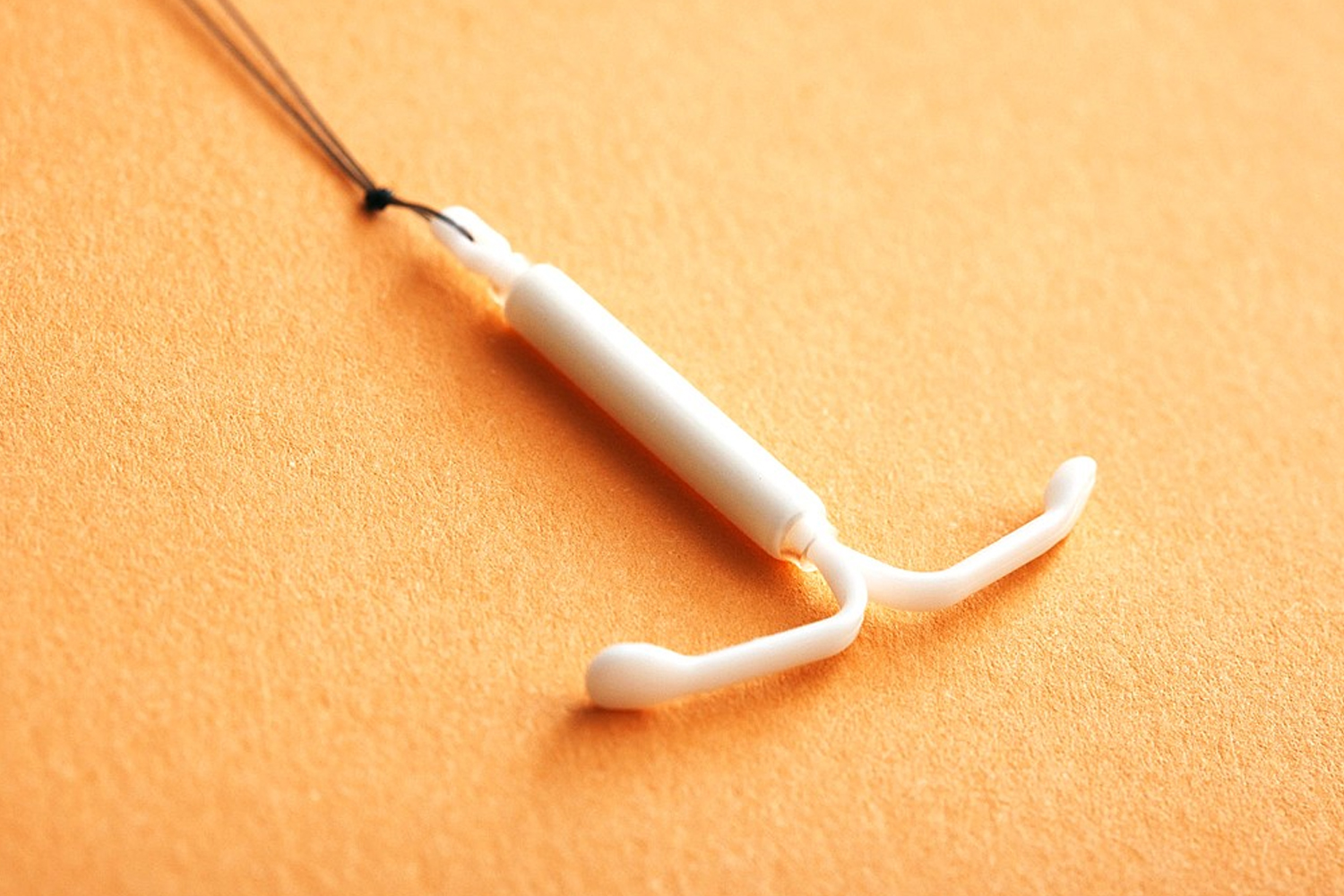
If you notice signs of anemia such as weakness, dizziness or tiring quickly, do not wait for the check-up date. If you are considering an IUD as a method of contraception, let us discuss during the examination which method is suitable for a uterus with fibroids; I describe the copper, rod-shaped option in my article on the non-slip IUD (Gynefix). You can find my other articles on women’s health in the gynecology category.
When should you see a doctor?
Whether or not you have been diagnosed with fibroids, come for an examination without waiting for your planned check-up date in the following situations:
- If your periods have become noticeably longer or heavier in recent months.
- If there is bleeding or spotting outside your period.
- If your lower abdominal pain is increasing or continues outside your period.
- If you have started to feel fullness in the lower abdomen, urinate frequently or have constipation.
- If there has been any bleeding after menopause.
Heavy bleeding that soaks a pad in a very short time, a feeling of fainting, severe dizziness or very severe abdominal pain that starts suddenly is an emergency. In this case, you need to go to the emergency department without waiting for your check-up date.
At my clinic in Kırıkkale, every assessment is planned individually based on your examination and test results. I determine the location and size of the fibroid with ultrasound and decide together with you whether it needs monitoring or surgery; you can use the contact page to book an appointment.
This article was prepared and reviewed by Prof. Dr. Yavuz Şimşek. Since my training in open and laparoscopic surgery in the United Kingdom, I have chosen the method of fibroid surgery according to the location of the fibroid in the uterus and the patient’s wish for children. This article is for general information only and does not replace an examination or treatment.