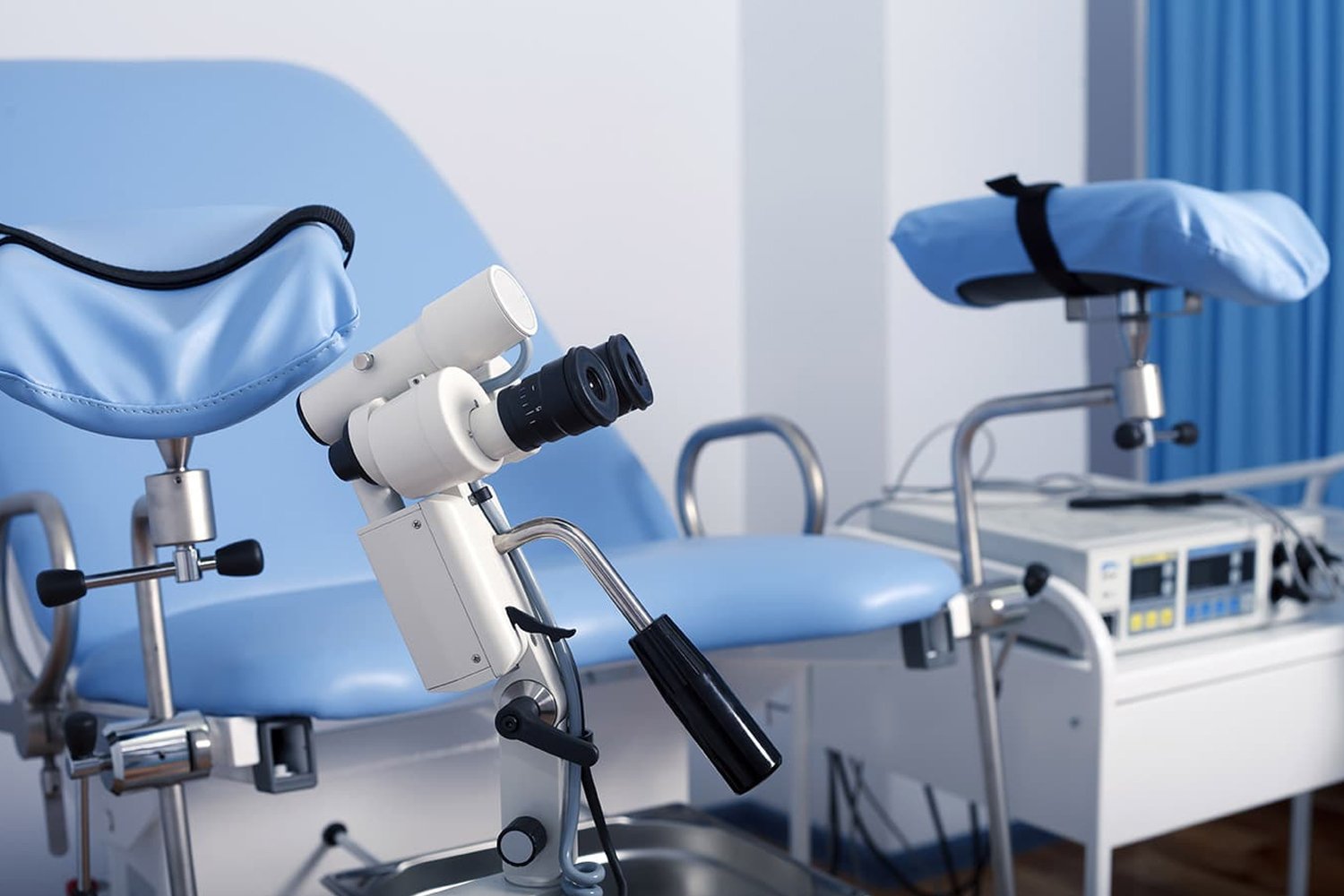
Cervical cancer is a cancer that starts in the neck of the uterus that opens into the vagina (the cervix), and almost all cases develop as a result of persistent infection with the HPV virus. Until about 70 years ago, it was the most common cancer in women. With the spread of the Pap smear test around the world, these cancers have been greatly reduced. Today, in a woman who has regular screening, we can usually catch this disease before cancer develops, at the stage of precursor changes.
Key Takeaways
- According to the World Health Organization, almost all cervical cancers are caused by infection with cancer-causing types of HPV.
- It usually takes 15-20 years for HPV infection to turn into cancer; this leaves a wide window of opportunity for screening.
- The screening program of the Turkish Ministry of Health provides an HPV-DNA test every 5 years for women aged 30-65.
- Bleeding after sex is the most important complaint that suggests cervical cancer.
- Surgery comes to the fore when the disease is caught at an early stage, and radiotherapy in advanced disease.
How does cancer of the cervix develop?
Cancer of the cervix develops when the cells covering the cervix change over the years. The main factor behind this change is HPV, a sexually transmitted virus. The virus is usually cleared from the body on its own; when it persists, however, it can cause precancerous changes in the cells.
According to the World Health Organization’s fact sheet on cervical cancer, progression from persistent infection to cancer usually takes 15-20 years. The same source states that in women with weakened immune systems this period can shorten to 5-10 years. This long period explains why screening works so well.
With the Pap smear test, we can detect changes in the cells of the cervix that form before they turn into cancer. This allows us to treat early, in the precancerous stage. In Turkey this test is also popularly called a “discharge test.”

Who is more likely to get cervical cancer?
Cervical cancer is more common in women in their 30s and in their 60s. In some situations, the frequency of this cancer increases. I can list the women at risk as follows:
- Women who have sexual intercourse with multiple partners.
- Those who started having sexual intercourse at an early age.
- Those who frequently get sexually transmitted diseases.
- Smokers.
- Women with folic acid and vitamin A deficiency, that is, women who are poorly nourished.
The World Health Organization adds immune status, HIV infection, the number of births, having a first pregnancy at an early age and the use of hormonal contraceptive methods. According to the WHO, women living with HIV are six times more likely to develop cervical cancer.
What are the symptoms of cervical cancer?
The main complaint that suggests this disease is bleeding after sexual intercourse. Bloody or meat-water-colored, foul-smelling discharge outside menstrual periods is another important complaint. In the early stage, however, there are often no symptoms at all.
As the disease progresses, complaints such as bone pain, swelling in the legs, blood in the urine and difficulty urinating may appear. Unfortunately, all of these complaints appear when the cancer has spread in the body. That is why I consider it important that you have screening without waiting for symptoms.
The World Health Organization recommends seeing a health worker in the following situations:
- Unusual bleeding between periods, after menopause or after sex.
- Increased or foul-smelling vaginal discharge.
- Persistent pain in the back, legs or pelvis.
- Weight loss, tiredness or loss of appetite.
- Vaginal discomfort and swelling in the legs.
How are the Pap smear test and HPV DNA test done?
The Pap smear test is a simple test done during the examination by taking a sample of cells from the cervix with a brush. The sample is taken in a few seconds, and most women feel no significant pain. The cells taken are examined under a microscope.
The HPV DNA test looks for the presence of cancer-causing HPV types in a sample taken in the same way. This test can show the risk before any cell change has appeared. If the result is positive, it does not mean you have cancer; it shows that follow-up or further investigation is needed.
How often should screening be done?
The screening interval I recommend is as follows: every sexually active woman has a smear test every three years from the age of 21 until the age of 30. From 30 until 65, she has either a smear every three years, or a smear together with an HPV DNA test every five years.
According to the cancer screening page of the Turkish Ministry of Health, the national program provides an HPV-DNA test every 5 years for women aged 30-65. The Ministry also publishes the addresses of the Cancer Early Diagnosis, Screening and Education Centers (KETEM) province by province on the same site. The World Health Organization also recommends starting screening at age 30 and repeating it every 5-10 years.
| Age group | Recommended test | Interval |
|---|---|---|
| Age 21-29, sexually active | Smear | Every 3 years |
| Age 30-65 | Smear alone | Every 3 years |
| Age 30-65 | Smear together with HPV DNA test | Every 5 years |
| Age 30-65, Turkish Ministry of Health national program | HPV-DNA test | Every 5 years |
| Women living with HIV (WHO recommendation) | Screening starts at age 25 | Every 3-5 years |
How is the diagnosis made?
If you have the complaints listed above, or if your screening result is abnormal, you need to see a gynecologist. During the examination the cervix is inspected and special tests for the cervix are applied. If needed, we look at the cervix with a magnifying device (colposcopy).
If there is a mass or a suspicious area on the cervix, a biopsy, that is, a tissue sample, is taken from it. The samples are examined under a microscope and the disease is diagnosed. If a precancerous change is found, removing this tissue with a minor procedure is often enough.

What are the treatment options?
If the tumor has not spread, that is, if it was diagnosed early, a major operation (Wertheim operation, radical hysterectomy) removes the uterus, ovaries, tubes and lymph nodes together with the tumor. After surgery, depending on how far the tumor has spread, your doctor may recommend radiotherapy.
If the tumor is advanced and has spread to the surroundings, treatment starts directly with radiotherapy instead of surgery. The World Health Organization states that surgery, radiotherapy and chemotherapy are used in advanced disease, and that supportive care for pain and symptom control is also part of treatment.
The treatment of precancerous changes, on the other hand, involves much smaller procedures. At this stage the WHO lists methods such as freezing (cryotherapy), heat treatment (thermal ablation) and removing a cone-shaped piece from the cervix (conization). These methods usually preserve the possibility of a future pregnancy.
In women planning a pregnancy, the health of the cervix is especially important. I explain how a pregnancy begins and how it implants in the uterus in my article on how normal and ectopic pregnancies form.
Ways to protect yourself from cervical cancer
The most reliable method is regular smear and HPV screening. Thanks to this simple test, which can be taken in a few seconds during the examination, it is possible to catch cancer before it appears and treat it early.
Women with discharge and vaginal infections should see a gynecologist without delay and have their infections treated. A monogamous sex life is also an important protective factor. Quitting smoking is another step that reduces the risk.
The HPV vaccine is also one of the cornerstones of prevention. The World Health Organization’s global target is for 90 percent of girls to be vaccinated by the age of 15 by 2030. I explain how cancer forms and why early diagnosis matters in my article with general information on cancer.
When should you see a doctor?
If one of the following situations applies, I recommend having an examination within a few weeks:
- If you have had bleeding after sex.
- If you are bleeding between periods or have had bleeding after menopause.
- If you have bloody, meat-water-colored or foul-smelling discharge.
- If the recommended time since your last screening has passed.
- If your smear or HPV result was abnormal and you have not yet been assessed.
If very heavy vaginal bleeding has started, or it is accompanied by dizziness or a feeling of faintness, do not wait. In this picture, which indicates blood loss, call 112 (the emergency number in Turkey) for help without losing time. I have collected my articles on discharge, infection and the examination under the gynecology category.
At my clinic in Kırıkkale, every assessment is planned individually based on your examination and test results. I take your smear and HPV test during the examination and, depending on your result, discuss the follow-up or colposcopy plan with you; you can reach me through the contact page to book an appointment or on +90 545 405 01 37.
This article was prepared and reviewed by Prof. Dr. Yavuz Şimşek. Since completing my specialty training at Cerrahpaşa Faculty of Medicine in 2004, I have regarded cervical screening as an inseparable part of every gynecological examination. This article is for general information only and does not replace an examination or treatment.