The short answer to the question of who gets an ectopic pregnancy is this: it is more common in women whose tubes have previously been damaged by infection or surgery. Ectopic pregnancy risk factors are conditions that make it harder for the fertilized egg to travel from the tube to the uterus, or that raise the likelihood of the pregnancy staying outside the uterus. Some women are at higher risk in this respect than others. Knowing your risk lets you get examined earlier when your pregnancy test is positive, so that a possible ectopic pregnancy is caught at a safer stage.
Key Takeaways
- Ectopic pregnancy is more common in women who have had a serious infection that spread to the internal genital organs.
- According to the UK National Health Service, a woman who has had an ectopic pregnancy before has a risk of about 10 percent of having another one.
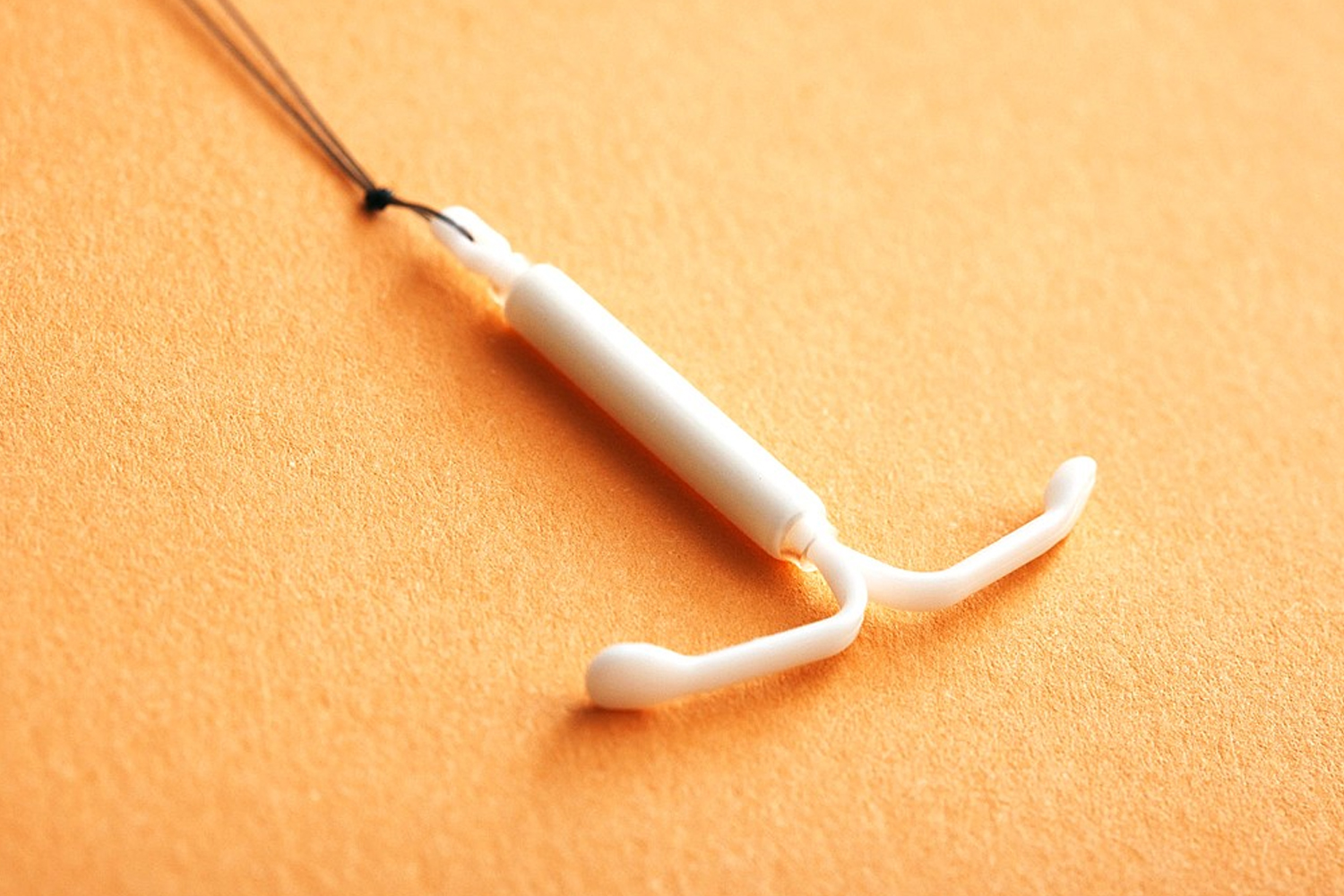
- If a pregnancy occurs with an IUD (coil) in place, the likelihood that it is outside the uterus increases.
- Women undergoing IVF treatment who have been found to have tubal disease are also in the risk group.
- The answer to who gets an ectopic pregnancy is not always clear; some women have no risk factor at all.
Who gets an ectopic pregnancy?
In my examination room, I usually hear this question after a woman has had an ectopic pregnancy: “Doctor, why me?” My answer usually involves looking at the history of the tubes. If the inner surface of the tube is damaged, the fertilized egg may get stuck on its way before reaching the uterus.
Women in the following groups are at higher risk of ectopic pregnancy than others:
- Those who have had a serious genital infection that spread to the internal genital organs.
- Those who have sexual intercourse with more than one partner.
- Those who become pregnant while using an IUD (coil) for contraception.
- Those who have previously had surgery involving the abdominal organs for any reason, such as cyst surgery.
- Those who have had an ectopic pregnancy before and had surgery on their tubes.
- Those who have had IVF or microinjection (ICSI) for infertility and have been found to have tubal disease.
On its ectopic pregnancy page, the UK National Health Service (NHS) adds smoking and being over 35 to this list. According to the NHS, the risk is highest over the age of 35. The same source also clearly states that no obvious cause is found in many ectopic pregnancies.

How do ectopic pregnancy risk factors have an effect?
Most ectopic pregnancy risk factors come down to one thing: the health of the tubes. The tube is a thin channel that carries the fertilized egg to the uterus. If the inner surface of this channel is damaged, narrowed or twisted by adhesions, transport slows down.
Genital infections and multiple partners
If sexually transmitted infections are not treated, they can spread upward from the cervix to the uterus and the tubes. An infection that reaches the tubes can leave adhesions and damage inside the tube even after it heals. The NHS also lists pelvic inflammatory disease (inflammation of the internal genital organs) as one of the most important risk factors and states that it is usually caused by a sexually transmitted infection.
Sexual intercourse with multiple partners increases the likelihood of catching these infections. That is why it is also linked to the risk of ectopic pregnancy. MedlinePlus, the patient site of the US National Library of Medicine, also lists having many sexual partners and sexually transmitted infections among the risk factors.
Previous surgery
Any surgery involving the abdominal organs can leave adhesions around the tubes. Cyst surgery, appendicitis or a procedure on the tubes are examples. According to MedlinePlus, scar tissue left by a ruptured appendix and previous surgery on the female organs are also among the causes of ectopic pregnancy.
Pregnancy is very rare in women who have had their tubes tied. But if a pregnancy does occur in these women, the likelihood that it is outside the uterus is high. MedlinePlus also lists tubal ligation and surgery to reopen tied tubes among the risk factors.
Endometriosis and congenital differences of the tubes
Endometriosis is when tissue similar to the lining of the uterus is found outside the uterus, for example around the tubes and ovaries. This tissue can cause adhesions around the tubes. MedlinePlus also lists endometriosis and congenital structural differences of the tubes among the causes of ectopic pregnancy.
The link between the IUD and ectopic pregnancy
The topic of the IUD and ectopic pregnancy is one of the most misunderstood in my examination room. The IUD (coil) is an effective method of preventing pregnancy, and pregnancy is rare in women who use one. The problem begins when a pregnancy occurs with an IUD in place.
The IUD is more effective at preventing pregnancy inside the uterus than at preventing a pregnancy that forms in the tube. So if an unintended pregnancy occurs with an IUD in place, the likelihood that this pregnancy is outside the uterus increases. The NHS also lists becoming pregnant with an intrauterine device (coil) or a hormonal intrauterine system in place among the risk factors.
If you have an IUD and your period is late, your pregnancy test is positive or you have started to have groin pain, get examined without waiting. Also keep track of how long your IUD can be used; see your doctor to have an expired IUD replaced or removed.
The risk of ectopic pregnancy after IVF
In IVF treatment, the embryo is placed directly inside the uterus. Even so, an ectopic pregnancy can occur after IVF. This is because the embryo can move from inside the uterus toward the tube.
In some women who have IVF or microinjection, the cause of infertility is already disease of the tubes. Ectopic pregnancy is more common in these women with damaged tubes. The NHS lists fertility treatments such as IVF, including medicines that stimulate ovulation, among the risk factors.
That is why, in every patient whose pregnancy test is positive after IVF treatment, I always show where the pregnancy is with an early ultrasound. I see this step as a natural part of the treatment. I do not consider follow-up complete until I have seen the gestational sac inside the uterus.
The risk of recurrent ectopic pregnancy
Women who have had an ectopic pregnancy before and have had surgery on their tubes are in the highest risk group. According to the NHS, the risk of having another ectopic pregnancy after one ectopic pregnancy is about 10 percent. This shows that the risk of recurrent ectopic pregnancy is high, but that the great majority of later pregnancies will be inside the uterus.
Even in a woman who has had one tube removed, a normal pregnancy is possible through the remaining tube. The NHS states that most women can become pregnant again even if a tube has been removed. Some women, however, may need treatments such as IVF.
If you have had an ectopic pregnancy before, I would like you to let me know as soon as your test is positive in your next pregnancy. An early ultrasound clarifies where the pregnancy is as quickly as possible. I explain which tests are done in ectopic pregnancy and what treatment options there are in my article on the diagnosis and treatment of ectopic pregnancy.
| Risk factor | Why it increases the risk | What to do if your pregnancy test is positive |
|---|---|---|
| Previous ectopic pregnancy | Damage or adhesions may remain in the tube | Early ultrasound right after the test |
| Genital infection that spread to the tubes | The inner surface of the tube is damaged, transport slows down | Early examination and ultrasound |
| Abdominal or tubal surgery | Adhesions may form around the tube | Early examination and ultrasound |
| Pregnancy with an IUD in place | The IUD prevents pregnancy in the tube less well than in the uterus | Examination without waiting |
| IVF, tubal disease | The tubes are damaged, the embryo may move into the tube | Showing where the pregnancy is on ultrasound |
| Smoking | A risk factor according to the NHS | Quitting smoking and early examination |
| Over 35 | According to the NHS, the risk is highest in this group | Early examination |
What should I do if I am at risk?
Being in a risk group does not mean you will have an ectopic pregnancy. In most women who are at risk, the pregnancy implants normally inside the uterus. In practice, being at risk means acting more carefully and earlier when your pregnancy test is positive.
The approach I recommend is this. If you are planning a pregnancy, let us talk about your risk factors at an examination. When your pregnancy test is positive, do not postpone your appointment. In the meantime, it is important for you to know which symptoms need attention.
I describe the pain, bleeding and emergency signs seen in ectopic pregnancy in detail in my article on the symptoms of ectopic pregnancy. I especially recommend reading it if you are in a risk group.
When should you see a doctor?
If you are in a risk group, get examined without waiting in the following situations:
- If your pregnancy test is positive and you have had an ectopic pregnancy before.
- If your period is late or your test is positive while your IUD is in place.
- If your pregnancy test is positive after IVF treatment and your ultrasound appointment has not come yet.
- If pain on one side of your abdomen or spotting has started along with a late period.
Severe abdominal pain, fainting or feeling faint, pain at the tip of the shoulder or marked paleness may be signs of internal bleeding. If you have any of these symptoms, do not wait for an appointment; call 112 (the emergency number in Turkey) or go to the nearest emergency department. I also cover topics such as infections and surgeries that affect the tubes in my articles in the gynecology category.
At my clinic in Kırıkkale, every assessment is planned individually based on your examination and test results. If you are in a risk group, we plan together the early ultrasound to be done as soon as your pregnancy test is positive; you can use the contact page for an appointment or call +90 545 405 01 37.
This article was prepared and reviewed by Prof. Dr. Yavuz Şimşek. In my patients receiving infertility treatment, I assess the condition of the tubes separately, both before starting treatment and after a pregnancy occurs. This article is for general information only and does not replace an examination or treatment.