Ectopic pregnancy symptoms are complaints caused by a pregnancy that has implanted outside the uterus, such as a late period, increasing pain on one side of the abdomen and unusual vaginal bleeding. If a woman whose period is late and whose pregnancy test is positive has these complaints, the first thing that comes to my mind is an ectopic pregnancy. In this article, I explain what each symptom means and in which situations you should go to the emergency department without waiting for an appointment.
Key Takeaways
- Ectopic pregnancy symptoms usually appear as a combination of a late period, one-sided pelvic pain and vaginal bleeding.
- According to the UK National Health Service, symptoms usually begin between weeks 4 and 12 of pregnancy.
- Bleeding in an ectopic pregnancy differs from a normal period; it may stop and start, and it may be watery and dark brown.
- Pain at the tip of the shoulder may point to internal bleeding and should be assessed immediately.
- If you have sudden and severe abdominal pain, dizziness or fainting, call 112 (the emergency number in Turkey) immediately.
Emergencies first: with which symptoms should you call 112?
I have placed this section at the start of the article because time is very important in an ectopic pregnancy. If you think you might be pregnant and you have any of the following, do not wait for an appointment. Call 112 immediately or go to the nearest emergency department.
- Sudden, sharp and very severe abdominal pain.
- Dizziness, fainting or feeling faint.
- Cold sweats, darkening of vision and marked paleness.
- Palpitations and low blood pressure.
- Pain that starts at the tip of the shoulder, where the arm joins the shoulder.
- A feeling of severe pressure in the rectum or bowel.
MedlinePlus, the patient site of the US National Library of Medicine, lists fainting, intense pressure in the rectum, low blood pressure, shoulder pain and sudden severe pain in the lower abdomen as emergency signs. These symptoms suggest that the tube has torn and there is bleeding into the abdomen. In such a situation, do not try to drive yourself to the hospital.
When do ectopic pregnancy symptoms start?
According to the NHS, symptoms usually appear between weeks 4 and 12 of pregnancy. Some women, however, have no complaints at first, and the condition is noticed on an early ultrasound. So having no symptoms does not prove that the pregnancy is inside the uterus.
The UK National Health Service (NHS) page on the symptoms of ectopic pregnancy advises women with a missed period, a positive pregnancy test and other signs of pregnancy to be alert to ectopic pregnancy. The same source says that you should speak to a doctor if you have symptoms and think you might be pregnant, even if your test is not positive yet.
Symptoms seen in ectopic pregnancy
In a woman whose period is late and whose pregnancy test is positive, the following complaints suggest an ectopic pregnancy:
- A delay in the expected period.
- Abdominal pain that gets steadily worse, accompanied by vaginal bleeding.
- Pelvic pain.
- Dizziness, weakness, cold sweats, a feeling of darkening vision.
- Palpitations, fever, low blood pressure.
- In some women, left shoulder pain some time after the abdominal pain.
Of these complaints, the one most suggestive of an ectopic pregnancy is severe abdominal pain accompanied by vaginal bleeding in a woman whose period is late. However, these complaints do not all have to occur together. A woman with an ectopic pregnancy may also have only a late period and abdominal pain, without vaginal bleeding.
What is the pelvic pain like?
The pelvic pain in an ectopic pregnancy is usually in the lower part of the abdomen and on one side. According to the NHS, the pain may start suddenly or gradually; it may be constant or come and go. Noting where the pain is and when it started makes my job easier at the examination.
It is easy to mistake this pain for a stomach bug or gas pain. The NHS also acknowledges that other causes of this kind of pain are common, but asks you to speak to a doctor if there is a chance you are pregnant. If you feel the pain getting steadily worse, do not wait.
How is bleeding in an ectopic pregnancy different from a normal period?
Bleeding in an ectopic pregnancy often does not resemble normal menstrual bleeding. According to the NHS, this bleeding may stop and start again, and it may be watery and dark brown. Some women may mistake this bleeding for a period.
To understand whether the bleeding is a period or pregnancy bleeding, it is important to know your menstrual pattern. I explain changes in the menstrual pattern and when they matter in my article on frequent or infrequent periods. Always take unusual bleeding that follows a late period seriously.
Why is shoulder pain important?
Shoulder pain is a symptom that does not immediately come to mind in an ectopic pregnancy, but it is very important. According to the NHS, this pain is felt at the tip of the shoulder, where the arm joins the shoulder. Although its cause is not fully known, it needs to be assessed immediately because it may point to internal bleeding.
I explain it to my patients like this: if pain at the tip of the shoulder has started on top of abdominal pain, this is no longer something to wait out at home. Do not dismiss this shoulder pain as muscle pain and try to get rid of it with massage or painkillers.
Discomfort when going to the toilet
The NHS also states that in an ectopic pregnancy there may be pain or pressure when passing stool, pain when urinating and diarrhea. These complaints may also be due to a urinary tract infection or a stomach and bowel upset. If there is a chance you are pregnant, tell your doctor about these as well.
Signs of a ruptured ectopic pregnancy
A rupture happens when the pregnancy growing in the tube reaches a size at which it tears the tube wall. According to the NHS, this is a very serious condition and requires surgery as soon as possible. Sudden, sharp and intense abdominal pain, dizziness or fainting, and nausea are the main signs of a ruptured tube.
The NHS also states that rupture of the tube is not common and can be treated when acted on quickly. The most important factor determining the outcome is how early intervention takes place. If you have signs of a ruptured tube, calling 112 is the right and necessary step.
| Symptom | What it suggests | What you should do |
|---|---|---|
| Late period and mild one-sided pelvic pain | Possible ectopic pregnancy | Examination the same day or the next day |
| Bleeding that stops and starts, dark brown, watery | May be bleeding from an ectopic pregnancy | Examination and ultrasound soon |
| Pain at the tip of the shoulder | May be bleeding into the abdomen | Emergency department or 112 immediately |
| Sudden, sharp, very severe abdominal pain | May be a ruptured tube | 112 immediately |
| Dizziness, fainting, cold sweats, paleness | May be blood loss from internal bleeding | 112 immediately |
What conditions can ectopic pregnancy symptoms be confused with?
None of the symptoms of ectopic pregnancy is specific to this condition on its own. A threatened miscarriage in early pregnancy can also cause bleeding and cramps. Ovarian cysts, urinary tract infections, appendicitis and stomach and bowel problems also cause similar pain.
It is not possible to tell them apart at home. For me, the deciding question is this: is there a chance you are pregnant? If so, I keep ectopic pregnancy on the table as a possible diagnosis until the cause of the pain and bleeding is clear.
This approach may sometimes seem like unnecessary worry. But in an ectopic pregnancy, the price of being late is far heavier than the trouble of an early examination.
What do we do at the examination when there are symptoms?
When you come in with complaints, I first listen to you and ask about the date of your last period and the nature of the pain. Then I do an examination and a vaginal ultrasound. We also measure the pregnancy hormone in the blood.
If the gestational sac is seen inside the uterus, we look for another cause of the complaints. If the sac is not seen in the uterus, close follow-up begins to clarify where the pregnancy is. Even if the symptoms are mild, I ask that you do not abandon this follow-up halfway.
If you have had an ectopic pregnancy before, the best thing is to come for an early examination in your next pregnancy without waiting for symptoms. You can find these and similar protective steps in my article on precautions against ectopic pregnancy.
When should you see a doctor?
The following situations are not emergencies but need to be assessed the same day or the next day:
- Your period is late and mild pain has started on one side of your abdomen.
- Your pregnancy test is positive and you have spotting or brown discharge.
- You have had an ectopic pregnancy before and your test is positive.
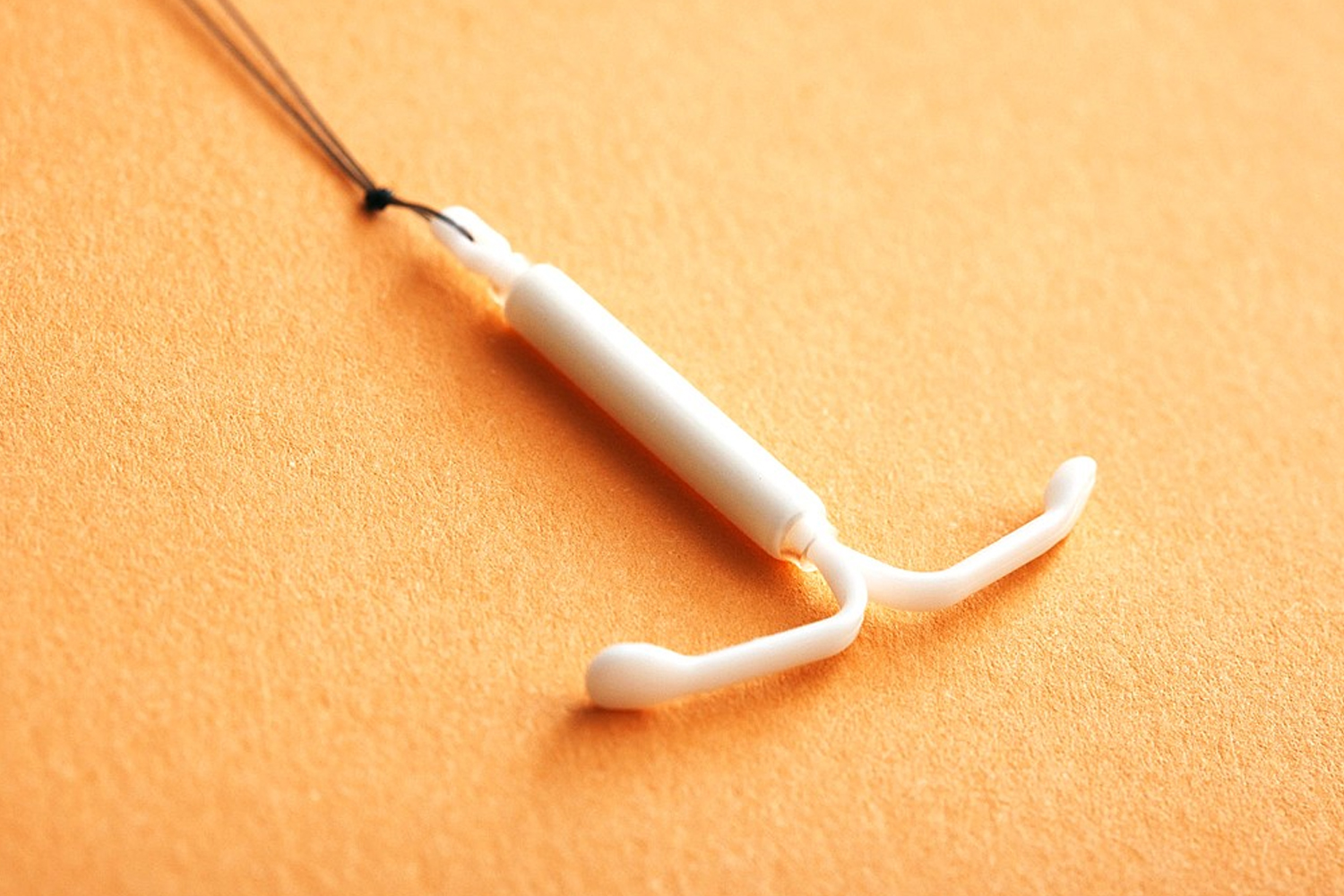
- Your period is late while your IUD (coil) is in place.
If you have severe abdominal pain, fainting or feeling faint, pain at the tip of the shoulder, cold sweats or marked paleness, the situation is an emergency. Do not wait for an appointment; call 112 or go to the nearest emergency department. For other conditions that cause pain and bleeding in early pregnancy, you can browse the gynecology category.
At my clinic in Kırıkkale, every assessment is planned individually based on your examination and test results. For non-emergency complaints, I try to clarify where the pregnancy is quickly with ultrasound and a blood test; you can use the contact page for an appointment or call +90 545 405 01 37.
This article was prepared and reviewed by Prof. Dr. Yavuz Şimşek. Since 2008-2010, when I worked on high-risk pregnancies at Zekai Tahir Burak Training and Research Hospital, I have advised never leaving pain and bleeding in early pregnancy to wait. This article is for general information only and does not replace an examination or treatment.