Preventing ectopic pregnancy means habits and follow-up steps aimed at protecting the health of the tubes and catching a possible ectopic pregnancy before it reaches a dangerous stage. The most important conditions that lead women to have an ectopic pregnancy, which can be life-threatening, are having had surgery on the tubes and sexually transmitted infections spreading to the tubes. Not every ectopic pregnancy can be prevented. But part of the risk is in your hands, and that is the part I explain in this article.
Key Takeaways
- First among the precautions against ectopic pregnancy is treating sexually transmitted infections before they reach the tubes.
- A sexual life with one partner is the first condition for protection against infections that spread to the internal genital organs.
- When an IUD (coil) reaches the end of its lifespan, it should be replaced or removed; an expired IUD protects less.
- The UK National Health Service lists using condoms and quitting smoking as steps that reduce the risk of ectopic pregnancy.
- In women who have had an ectopic pregnancy before, the risk of another one is about 10 percent; these women should be examined early in a new pregnancy.
Can ectopic pregnancy be prevented?
I want to give an honest answer to this question: not every ectopic pregnancy can be prevented. MedlinePlus, the patient site of the US National Library of Medicine, states that most ectopic pregnancies probably cannot be prevented. In some women, no obvious cause is found.
The same source also says that the risk can be reduced. According to MedlinePlus, safe sex, early diagnosis and treatment of sexually transmitted infections, and quitting smoking reduce the risk of ectopic pregnancy. What these three steps have in common is preventing damage to the tubes.
The second side of prevention is early detection. In a woman who knows her risk and comes for an examination as soon as her pregnancy test is positive, we can often treat an ectopic pregnancy with medicine or monitoring before the tube ruptures.
How do sexually transmitted infections affect the tubes?
At first, sexually transmitted infections settle only in the vagina and the cervix. If they are not treated, they can move up to the uterus and the tubes over time. An infection that spreads to the tubes can leave adhesions and narrowing inside the tube even after it heals.
It is possible for these infections that spread to the tubes never to occur, or to be treated before they reach this stage. To protect herself from ectopic pregnancy, which can be life-threatening, every woman needs to be attentive to this issue. The UK National Health Service (NHS) also states that pelvic inflammatory disease (inflammation of the internal genital organs) is usually caused by a sexually transmitted infection and increases the risk of ectopic pregnancy.
Life with one partner and condoms
The first condition for protection against an infection that spreads to the internal genital organs is taking care to have a sexual life with one partner. As the number of partners increases, so does the likelihood of encountering an infection. This is not a moral judgment but a medical fact.
According to the NHS ectopic pregnancy page, using condoms when you are not planning a baby helps reduce the risk of ectopic pregnancy. Condoms also act as a barrier against sexually transmitted infections. Do not neglect this when starting a relationship with a new partner.
Do not put off dealing with discharge
Every woman with vaginal discharge that is new, foul-smelling, colored or heavy should see a gynecologist without delay and be treated. Today we have medicine and pessary options that can treat most vaginal discharges in a short time. We decide which one is suitable after an examination and, if needed, a discharge test.
Germs that today are found only in your vagina and can be treated easily may, if not treated in time and effectively, after a while spread to all your internal genital organs, including the tubes. Treating these widespread infections is much more difficult. When an infection is found, treating your partner as well prevents the infection from coming back to you.
Why does the IUD lifespan matter?
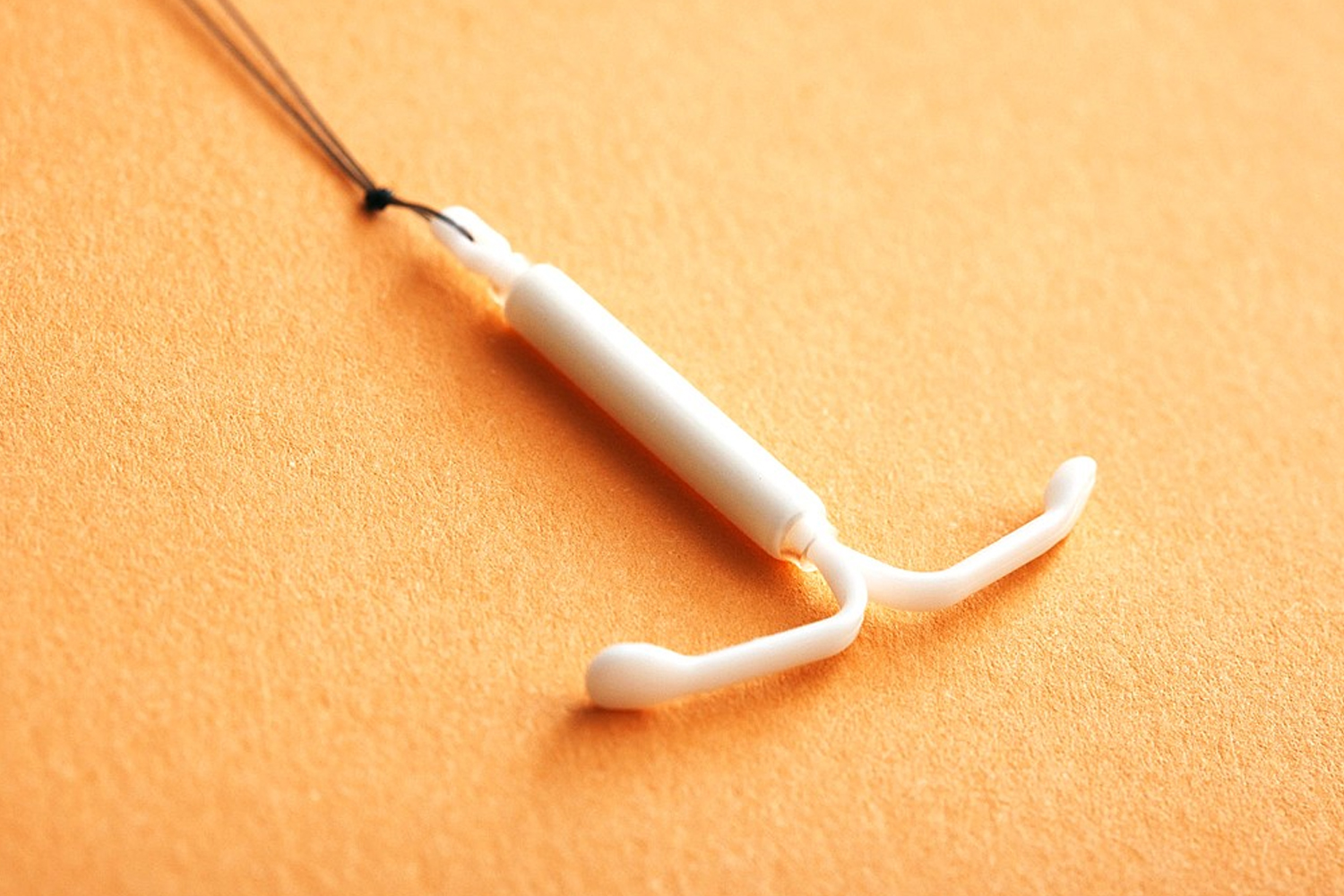
The IUD (coil) is an effective method of preventing pregnancy. However, every IUD has a lifespan. Women with an IUD should see their gynecologist to have a new one fitted or to have it removed when the IUD reaches the end of its lifespan.
Expired IUDs are less successful at protecting against pregnancy, and the risk of ectopic pregnancy increases. The NHS also lists becoming pregnant with an IUD or a hormonal intrauterine system in place among the conditions that increase the risk of ectopic pregnancy. I recommend noting down the date your IUD was fitted and its type.
If you notice a late period, unusual bleeding or pelvic pain while your IUD is in place, do not wait. Changes in the menstrual pattern are common in women who use an IUD; I explain which of these changes are important in my article on frequent or infrequent periods. Women whose periods have become heavier with an IUD may also want to read my article on heavy menstrual bleeding.
Does quitting smoking reduce the risk?
Yes. The NHS lists smoking among the risk factors for ectopic pregnancy and recommends quitting as one of the steps that reduce the risk. MedlinePlus makes the same recommendation.
If you are planning a pregnancy, the best time to quit smoking is before the pregnancy. Quitting smoking matters not only for ectopic pregnancy but also for the whole pregnancy and your baby’s health. If you find it hard to quit, we can talk at the examination about how you can get support.
If you have had an ectopic pregnancy before
Women who have had ectopic pregnancy surgery before should know that they can have this condition again and should be careful. According to the NHS, the risk of another ectopic pregnancy after one ectopic pregnancy is about 10 percent. In other words, most later pregnancies are inside the uterus, but care is needed.
When there are complaints such as a late period, abdominal pain or bleeding, you should know that this may be a warning sign of an ectopic pregnancy. In this case, go to a clinic without losing any time. The NHS also recommends that women who become pregnant again tell their doctor early, so that an early ultrasound can be planned.
If you have been treated for an ectopic pregnancy, you also need to follow the waiting period before planning a new pregnancy. According to the NHS, you should wait at least 2 menstrual cycles after treatment, or at least 3 months if you received medicine treatment.
| Precaution | What it aims at | When it applies |
|---|---|---|
| Life with one partner and condoms | Protection against sexually transmitted infections | Whenever a baby is not being planned |
| Early treatment of discharge | Preventing the infection from spreading to the tubes | When new, foul-smelling or colored discharge starts |
| Treating the partner as well | Preventing the infection from recurring | When a sexually transmitted infection is found |
| Tracking the IUD lifespan | Preventing pregnancy with an IUD whose protection has decreased | When its lifespan has ended |
| Quitting smoking | Reducing the risk of ectopic pregnancy | Before planning a pregnancy |
| Early ultrasound | Catching an ectopic pregnancy before the tube ruptures | As soon as the test is positive, if you are in a risk group |
How are precautions against ectopic pregnancy applied when planning a pregnancy?
If you are planning a pregnancy, I recommend having an examination before you get pregnant. Getting pregnant in a planned way is best. At this examination, we review together any surgeries and infections you have had and any previous ectopic pregnancy.
In women whose tubes I have doubts about, I assess whether the tubes are open with tests such as a uterine X-ray (hysterosalpingography) if needed. This way, we better understand both your chance of getting pregnant and the risk you carry for ectopic pregnancy.
In this pre-pregnancy consultation, we also cover folic acid use, your vaccinations and the control of any chronic illnesses. Preventing ectopic pregnancy is part of this general preparation. A healthy pregnancy starts with healthy tubes and an examination done at the right time. If you let me know in the first week you learn you are pregnant, we will see together where the pregnancy is at an early stage.
When should you see a doctor?
Get examined within a few days in the following situations:
- If you have vaginal discharge that is new, foul-smelling, colored or heavy.
- If your IUD has reached the end of its lifespan or you do not remember when it was fitted.
- If you have had an ectopic pregnancy before and your pregnancy test is positive.
- If you are planning a pregnancy and have had tubal or abdominal surgery before.
If severe abdominal pain, fainting, pain at the tip of the shoulder or heavy bleeding starts at a time when you might be pregnant, the situation is an emergency. Do not wait for an examination appointment; call 112 (the emergency number in Turkey) or go to the nearest emergency department. Other articles on infections, discharge and the menstrual pattern are waiting for you in the gynecology category.
At my clinic in Kırıkkale, every assessment is planned individually based on your examination and test results. We plan the treatment of discharge and infections, IUD checks and the pre-pregnancy assessment together at the examination; you can reach us through the contact page for an appointment or at +90 545 405 01 37.
This article was prepared and reviewed by Prof. Dr. Yavuz Şimşek. Since 2010-2013, when I worked as a faculty member responsible for high-risk pregnancies at İnönü University, I have placed importance on closely following the first weeks of a new pregnancy in women who have had an ectopic pregnancy before. This article is for general information only and does not replace an examination or treatment.