Many women dismiss long or heavy periods, saying “mine have always been like this.” Heavy menstrual bleeding means menstrual bleeding that lasts longer than 7 days or is heavy enough to disrupt daily life. Even if a woman has regular periods every month, bleeding that lasts longer than a week is abnormal and should be investigated.
Key Takeaways
- Normal menstrual bleeding lasts no more than 7 days; bleeding that lasts longer is considered abnormal.
- Heavy menstrual bleeding leads to anemia, tiring easily, weakness, severe period pain and a lower quality of life.
- According to the NHS, changing a pad or tampon every 1-2 hours and passing clots larger than 2.5 cm are signs of heavy bleeding.
- With IUDs other than the hormonal IUD, menstrual bleeding may last longer than 8 days.
- Polyps in the lining of the uterus and thickening of the uterine lining are common causes of long periods.
What are prolonged periods?
Normal menstrual bleeding should last no more than 7 days. I call bleeding that lasts longer than this prolonged menstrual bleeding. Even if the amount of bleeding is small, a longer duration is reason enough on its own to investigate.
Then there is heavy flow. Even if your period ends within seven days, losing a lot of blood during those days also counts as heavy menstrual bleeding. In medicine, we assess these two situations together under the heading of “abnormal uterine bleeding.”
What are the signs of heavy bleeding?
You cannot measure the blood you lose, but some signs show that the bleeding is above normal. The UK National Health Service (NHS) page on heavy periods lists these signs clearly. If you experience any of the following, your bleeding is probably heavy:
- You have to change your pad or tampon every 1-2 hours.
- You need to use a pad and a tampon at the same time.
- Your bleeding lasts longer than 7 days.
- You pass clots larger than about 2.5 cm.
- Blood leaks onto your underwear or bedding.
- You cannot go to work or you postpone your daily tasks during your period.
- You often feel tired or short of breath.
What do period blood clots tell us?
Period blood clots suggest that blood is flowing so fast that it cannot be expelled before it clots inside the uterus. Seeing a few small clots on the heaviest day is common. Large, frequently recurring clots, however, raise the possibility of a problem in the uterus such as a fibroid or a polyp.
What causes heavy menstrual bleeding?
I group the causes I see in my examinations into two: those related to hormones and those related to the structure of the uterus. Anovulation (lack of ovulation) and other hormonal disorders can cause long periods. Apart from this, periods usually last longer when there is a polyp arising from the lining of the uterus or when there is thickening of the uterine lining, which we call hyperplasia.
The NHS lists fibroids, endometriosis, adenomyosis (uterine lining tissue settling inside the muscle of the uterus), polycystic ovary syndrome and pelvic infection among the possible causes of heavy periods. The same source states that bleeding disorders such as Von Willebrand disease and some medicines such as blood thinners can also make periods heavier. Rarely, heavy periods can also be a sign of womb cancer.
| Cause | Effect on bleeding | How I detect it |
|---|---|---|
| Ovulation disorder (anovulation) | Irregular, long and sometimes heavy bleeding | Period calendar, hormone tests |
| Endometrial polyp | Prolonged periods, spotting between periods | Vaginal ultrasound, hysteroscopy if needed |
| Thickening of the uterine lining (hyperplasia) | Long and heavy bleeding | Lining thickness on ultrasound, biopsy if needed |
| Fibroid | Heavy periods with clots | Vaginal ultrasound |
| Copper IUD | Bleeding lasting longer than 8 days, spotting at the start and end | History and IUD position on ultrasound |
| Bleeding disorder or medicine | Heavy and long bleeding | Blood clotting tests, medicines being used |
Endometrial polyp and endometrial thickening
An endometrial polyp is a growth, usually benign, that extends from the lining of the uterus into the uterine cavity. Polyps can lengthen periods and cause spotting between periods. They can often be seen on vaginal ultrasound; when in doubt, I both diagnose and remove the polyp by looking inside the uterus with a camera (hysteroscopy).
Thickening of the uterine lining develops when the lining remains under the effect of estrogen for a long time and is not shed regularly. This is seen especially in women with ovulation disorders and women approaching menopause. When needed, I take a sample from the lining of the uterus to understand the type of thickening, because some types can progress if left untreated.
Long periods in IUD users
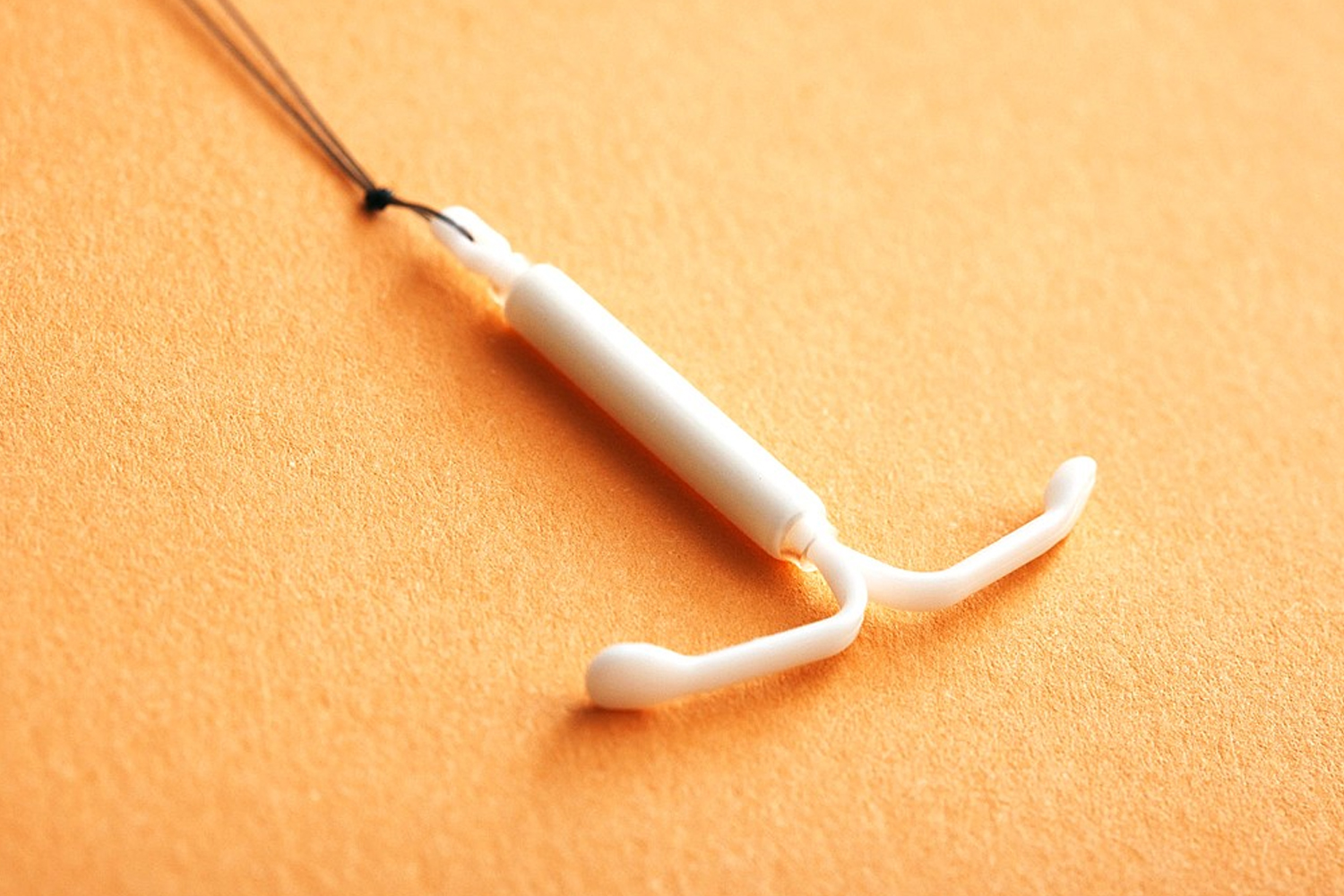
In women using IUDs other than the hormonal IUD, menstrual bleeding may last longer than 8 days. One of the side effects of these IUDs is longer periods, with spotting on the first and last days of bleeding. The hormonal IUD, on the contrary, reduces menstrual flow in most women.
If you use an IUD and your bleeding bothers you, you do not have to accept it as a side effect. I check the position of the IUD with ultrasound, and if needed, we discuss switching to a different method.
The effect of heavy periods on the body
Many women may not pay attention to this; yet heavy bleeding causes anemia, tiring easily, weakness, severe period pain and a lower quality of life. The extra blood lost every month slowly depletes the body’s iron stores. Because this process progresses insidiously, most women put their tiredness down to a busy schedule.
The NHS states that blood tests may be done in women with heavy periods to look for iron deficiency anemia and other underlying problems. I explain the symptoms and treatment of iron deficiency in detail in my article on anemia. MedlinePlus, the website of the US National Library of Medicine, also emphasizes that untreated abnormal uterine bleeding can lead to serious anemia over time.
What do I do for diagnosis?
First, I ask about how long your bleeding lasts, how heavy it is, how long it has been like this and the medicines you use. With a gynecological examination I assess the cervix and the vagina, and with a vaginal ultrasound I assess the lining of the uterus, the uterine wall and the ovaries. If there is a possibility of pregnancy, I rule this out first.
I order a blood count, iron stores and, if needed, thyroid and clotting tests. If the lining of the uterus looks thick on ultrasound or a polyp is suspected, hysteroscopy or taking a sample from the uterine lining comes into consideration. If bleeding occurs not only during your period but also after intercourse, I assess this separately; I explain this topic in my article on bleeding after sex.
Treatment options
The NHS states that heavy periods do not always need treatment, but that treatment can help if they affect daily life. I choose the treatment according to the cause, your age and your wish to become pregnant. It is necessary to see a gynecologist, have the necessary tests done and benefit from the appropriate treatment.
Medical treatment may include the hormonal IUD, the birth control pill, medicines that reduce bleeding and painkillers. We decide together after the examination which one suits you; do not use medicines without consulting your doctor. If there is anemia, I also add iron treatment to the plan.
If there is a structural problem such as a polyp or a fibroid, removing it often corrects the bleeding. Among specialist-level options, the NHS lists thinning the lining of the uterus by burning it (endometrial ablation), removal of fibroids and, as a last option, removal of the uterus. I consider removing the uterus only when other methods have not worked and there is no longer a wish for pregnancy.
When should you see a doctor?
If any of the following applies to you, I recommend getting examined:
- Your period lasts longer than 7 days.
- Heavy periods affect your daily life, work or sleep.
- You pass large clots or have to use double protection.
- You have severe pain with your periods.
- You have bleeding between periods or after intercourse.
- Bleeding has started after menopause.
If bleeding soaks through pads quickly within a few hours and is accompanied by dizziness, feeling faint, palpitations or shortness of breath, do not wait. If heavy bleeding occurs at a time when you might be pregnant, go to the nearest emergency department immediately.
At my clinic in Kırıkkale, every assessment is planned individually based on your examination and test results. I investigate the cause of your long or heavy periods with ultrasound and blood tests and discuss treatment options with you, taking your wish for pregnancy into account. You can book an examination through the contact page for an appointment or at +90 545 405 01 37. My other articles on gynecology are in the gynecology category.
This article was prepared and reviewed by Prof. Dr. Yavuz Şimşek. Since my training in open and laparoscopic surgery in the United Kingdom, I have preferred uterus-preserving methods first for the polyps and fibroids behind heavy periods. This article is for general information only and does not replace an examination or treatment.