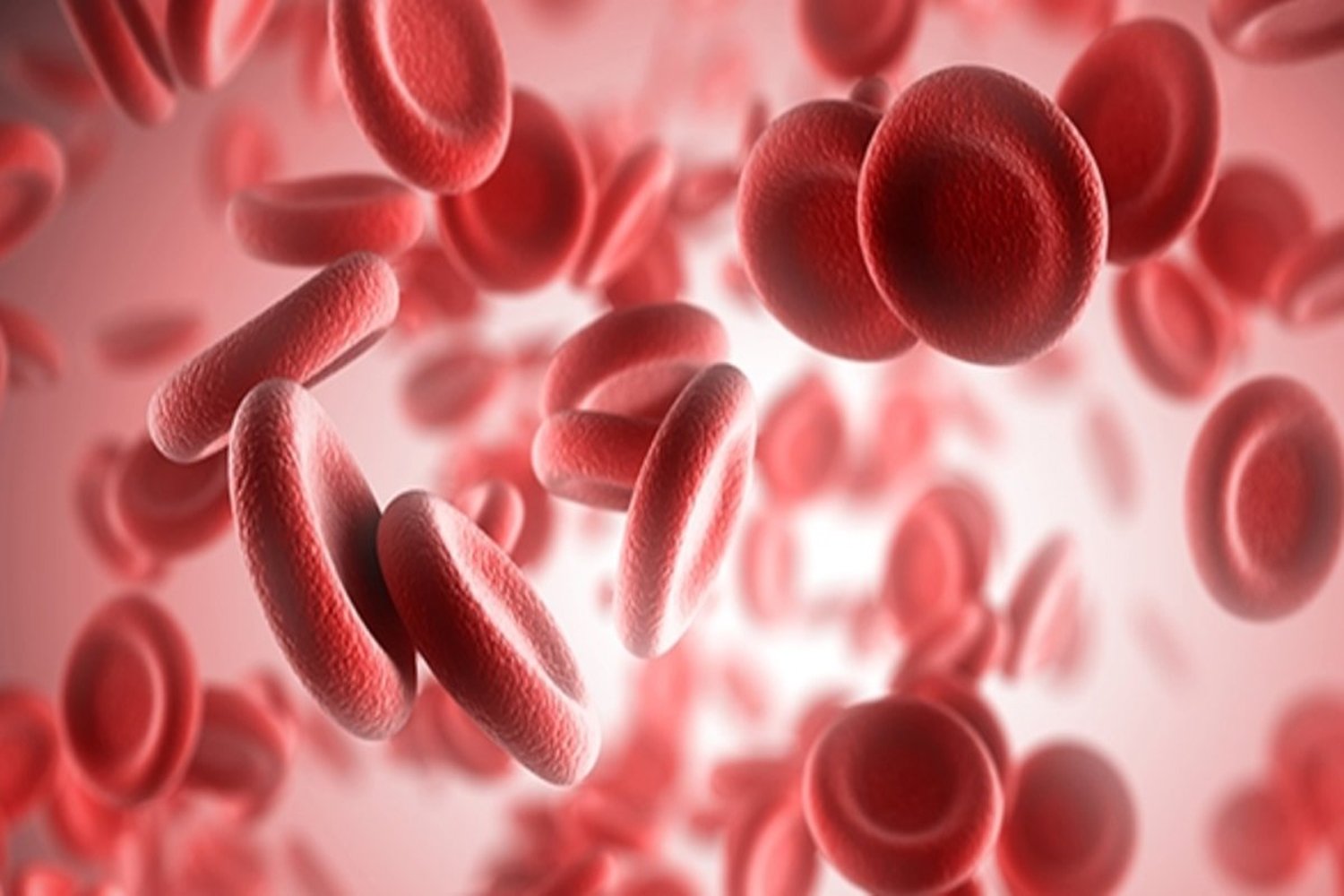

“I am tired all the time, I never feel rested, I get out of breath climbing stairs.” In women who come to my clinic with these words, one of the first things I look at is their blood values. Anemia is a condition in which the red blood cells that carry oxygen in the blood, or the hemoglobin, are lower than they should be, and not enough oxygen reaches the tissues. The most common cause of anemia in women is that the iron lost with menstruation is not replaced through diet. In this article, I explain the causes and symptoms of anemia, which foods help and how iron treatment is given.
Key Takeaways
- Women lose about 50 cc of blood with their period every month, and this loss needs to be replaced.
- According to the World Health Organization, 30% of women aged 15-49 and 37% of pregnant women worldwide have anemia.
- Symptoms of anemia include tiredness, difficulty concentrating, forgetfulness and slow healing of small wounds.
- The two main ways to protect yourself from anemia are eating an adequate and regular diet and seeing a gynecologist if you have heavy periods.
- Iron treatment should be taken every day, on your doctor's advice, for at least 6 months.
What does anemia do in the body?
As you know, oxygen is carried in the body by the blood. This job is done by hemoglobin inside the red blood cells, and iron is needed to make hemoglobin. In anemia, oxygen is not carried to the cells well enough.
Lack of oxygen first shows itself as tiredness. Then difficulty concentrating and forgetfulness begin. After a while, the tiredness deepens and small wounds take longer to heal. When anemia develops slowly, the body adapts for a while; this is why many women put their complaints down to a “busy schedule” and do not notice it for months.
Why is anemia more common in women?
Women lose about 50 cc of blood with their period every month. Along with this blood, some iron also leaves the body’s iron stores. To make up for this loss, the body needs to take in enough food and iron from outside.
If you do not eat properly, anemia is inevitable. If menstrual bleeding is long and heavy, the loss increases beyond what diet can make up for. Pregnancy also markedly increases the need for iron.
According to the World Health Organization’s fact sheet on anemia, 30% of women aged 15-49 and 37% of pregnant women worldwide have anemia. The same source describes iron deficiency as the most common nutritional deficiency leading to anemia. The World Health Organization also lists heavy menstrual bleeding and blood loss related to pregnancy and childbirth among the common causes of anemia.
| Cause | How it leads to anemia | What is done |
|---|---|---|
| Heavy or long menstrual bleeding | The iron lost every month increases | The cause of bleeding is investigated (fibroid, polyp, hormones) |
| Inadequate or irregular diet | Iron intake does not meet the need | Diet is adjusted, iron treatment if needed |
| Pregnancy | The iron needs of mother and baby increase | Blood values are monitored during pregnancy follow-up |
| Blood loss from the stomach and bowel | Blood is lost without being noticed | Referral to the relevant specialist if needed |
The UK National Health Service (NHS) also lists heavy periods and pregnancy among the very common causes of iron deficiency anemia. The same source states that bleeding related to some medicines such as painkillers, stomach ulcers and bowel diseases can also cause anemia.
What are the symptoms of anemia?
Symptoms of anemia usually start slowly and become more noticeable as the anemia deepens. The complaints I hear most often in my examinations are:
- Constant tiredness and weakness.
- Difficulty concentrating and forgetfulness.
- Shortness of breath and palpitations on exertion.
- Headache and dizziness.
- Pale skin.
- Cold hands and feet.
- Slow healing of small wounds.
The World Health Organization also lists tiredness, dizziness, cold hands and feet, headache and shortness of breath, especially on exertion, among the common symptoms. The NHS lists less common symptoms such as ringing in the ears, a craving to eat things that are not food, such as soil or ice, and restless legs.
How is anemia diagnosed?
Anemia is diagnosed with a simple blood test. A full blood count shows the hemoglobin level and the characteristics of the red blood cells. To confirm iron deficiency, I also look at tests that show the iron stores.
According to the NHS, no special preparation is needed for a full blood count. When I find anemia in an examination, I look not only at the number but also at the cause. Since the most common cause in women is increased menstrual bleeding, I ask about your period pattern in detail and, if needed, assess the uterus with ultrasound.
If there is a cause that increases menstrual bleeding, such as a fibroid or a polyp, it is difficult to correct the anemia permanently without treating it. If you have bleeding outside your period or after intercourse, we also need to assess this; I explain this topic in my article on bleeding after sex.
What should you pay attention to in order to prevent anemia?
To protect themselves from anemia, women need to pay attention to two things. The first is eating an adequate and regular diet; the second is that women with heavy periods should see a gynecologist.
The second of these two points is often neglected. Many women have had heavy periods for years and consider this normal for themselves. Yet as the blood lost with menstruation increases, the iron stores quietly run out. Having light periods is a different matter; I explain its causes in my article on light periods.
Which foods contain iron?
For the body to make blood easily, you need to eat iron-containing foods regularly. I recommend that women try to eat the following foods that contain plenty of iron:
- Red meat, especially organ meats.
- Chicken.
- Legumes.
- Beans.
- Fruits such as oranges, tangerines and grapefruit.
- Skimmed milk and low-fat yogurt.
The NHS also lists dark green leafy vegetables, iron-fortified cereals and bread, meat, dried fruit (apricots, prunes, raisins) and legumes such as beans, peas and lentils among iron-rich foods. According to the same source, large amounts of tea and coffee can make it harder to absorb iron. For this reason, I recommend not drinking tea and coffee with or right after an iron-rich meal.
| Food group | Examples |
|---|---|
| Meat and meat products | Red meat, organ meats, chicken |
| Legumes | Beans, lentils, chickpeas, peas |
| Fruits | Oranges, tangerines, grapefruit, dried apricots, raisins |
| Vegetables | Dark green leafy vegetables |
| Dairy products | Skimmed milk, low-fat yogurt |
How is iron treatment given?
If the anemia has not improved despite eating these foods, you may need to take an iron tablet or syrup every day on your gynecologist’s advice. With this treatment, anemia usually improves. Iron treatment needs to be continued for at least 6 months.
The NHS also states that iron tablets need to be taken for about 6 months. Even if you start to feel better, I ask you not to stop the treatment early. The aim is not only to raise the hemoglobin but also to refill the depleted iron stores.
Your doctor decides which medicine you take and at what dose. Iron medicines can cause side effects such as constipation, diarrhea, stomach pain, heartburn, nausea and darker stools; the NHS states that taking these medicines with food or soon after eating may reduce side effects. The same source writes that drinking orange juice after the tablet may help absorption.
Things to watch for when taking iron medicines
For iron treatment to work, you need to take the medicine regularly. If you have side effects, tell me instead of stopping the medicine on your own; we can often find a solution by changing how you take it.
Always keep iron medicines out of the reach of children. The NHS warns that iron poisoning can be fatal in young children. If you are pregnant or planning a pregnancy, do not use any medicine, including iron, without consulting your doctor.
Why is anemia in pregnancy important?
In pregnancy, the need for iron rises because of the baby’s development and the mother’s increasing blood volume. The World Health Organization states that anemia in pregnancy is associated with preterm birth, low birth weight and maternal death. That is why I check blood values regularly during pregnancy follow-up.
To prevent anemia, the World Health Organization recommends waiting at least 24 months between two pregnancies. If you are planning a pregnancy, it is right for us to check your blood values before pregnancy and correct any anemia. Getting pregnant with a plan is much easier than dealing with anemia during pregnancy.
When should you see a doctor?
Do not delay getting examined in the following situations:
- Tiredness, weakness and difficulty concentrating that do not go away.
- Shortness of breath or palpitations on exertion.
- Your periods becoming longer or heavier.
- Your complaints or blood values not improving despite iron treatment.
- Black stools or blood in the stool.
Chest pain, fainting, shortness of breath even at rest or bleeding so heavy that pads cannot hold it are emergencies. If you have any of these complaints, go to the emergency department without losing time.
At my clinic in Kırıkkale, every assessment is planned individually based on your examination and test results. I investigate the cause of the anemia together with your period pattern and ultrasound findings and plan the treatment accordingly; you can use the contact page for an appointment or call +90 545 405 01 37. You can read my other articles on periods and bleeding problems in the gynecology category.
This article was prepared and reviewed by Prof. Dr. Yavuz Şimşek. During the years 2008-2013, when I worked in the field of high-risk pregnancies, I often saw how important it is for mother and baby to correct anemia before pregnancy. This article is for general information only and does not replace an examination or treatment.