“It used to last five days, now it is over in one” is a sentence I often hear in my examinations. Light periods are when menstrual bleeding lasts less than 2 days or its amount decreases markedly. This does not always mean a disease; but a lasting decrease in bleeding is a change whose cause needs to be investigated.
Key Takeaways
- Menstrual bleeding that lasts less than 2 days may be abnormal and should be assessed.
- Light periods may be a sign that a woman is approaching menopause.
- In some hormonal disorders, in women who exercise excessively and with rapid weight loss, the amount of menstrual bleeding decreases.
- Lighter bleeding while taking the birth control pill is not an abnormality but an effect of the medicine, and it goes away when the medicine is stopped.
- According to MedlinePlus, a weight change of more than 4.5 kilograms can contribute to abnormal uterine bleeding.
When are short periods abnormal?
Menstrual bleeding that lasts less than 2 days may be abnormal. The word “may” is important here, because there are also women who have always had such short periods and are healthy. What I really pay attention to is whether there has been a change compared with your own pattern.
The patient page on periods from the UK National Health Service (NHS) also states that changes such as periods becoming longer or lighter should be investigated. A period that has lasted four or five days for years dropping to one day over the past few months is this kind of change. Remembering when the change started makes my job easier during the examination.
Why does menstrual flow decrease?
The amount of menstrual bleeding depends on how thick the lining of the uterus becomes. When the hormones that build up the lining decrease, or when the lining itself is damaged, less tissue is shed. That is why I think of the causes of light periods in two groups: those related to hormones and those related to the inner surface of the uterus.
MedlinePlus, the patient site of the US National Library of Medicine, explains that abnormal uterine bleeding can be not only heavy but also lighter than usual. The same page lists hormone imbalance, polycystic ovary syndrome, hormonal birth control methods and large weight changes among the causes of such bleeding. Below, I explain these in the order I encounter them in my examinations.
| Cause | Nature of the light period | How it is assessed |
|---|---|---|
| Approaching menopause | Bleeding becomes shorter, intervals vary | Age, period calendar, ovarian hormones |
| Birth control pill or hormonal IUD | Bleeding becomes lighter and shorter; an expected effect of the medicine | Asking about the method used |
| Rapid weight loss or excessive exercise | Bleeding decreases, sometimes stops completely | Weight history, exercise routine, hormone tests |
| Hormonal disorder (thyroid, prolactin, polycystic ovaries) | Light and irregular bleeding | Blood hormone tests and ultrasound |
| Intrauterine adhesions | Marked decrease after a D&C or uterine surgery | Ultrasound, hysteroscopy if needed |
| Pregnancy | Light bleeding mistaken for a period | Pregnancy test |
Approaching menopause
Lighter bleeding may be a sign that a woman is approaching menopause. During this time, hormone production by the ovaries slows down and the lining of the uterus does not thicken as much as before. Bleeding becomes shorter, and the intervals sometimes become longer too.
MedlinePlus states that menopause usually comes between the ages of 45 and 55. If your periods have become markedly lighter in your early forties or at an even younger age, I assess your ovarian reserve instead of simply attributing it to age. Early decline in ovarian function is a subject that should be discussed without losing time, especially if you plan to become pregnant.
The birth control pill and hormonal methods
While taking the birth control pill, the amount and duration of bleeding decrease. This is not a sign of an abnormality but an effect of the medicine, and it goes away when the medicine is stopped. Because the pill limits the thickening of the uterine lining, less tissue is shed.
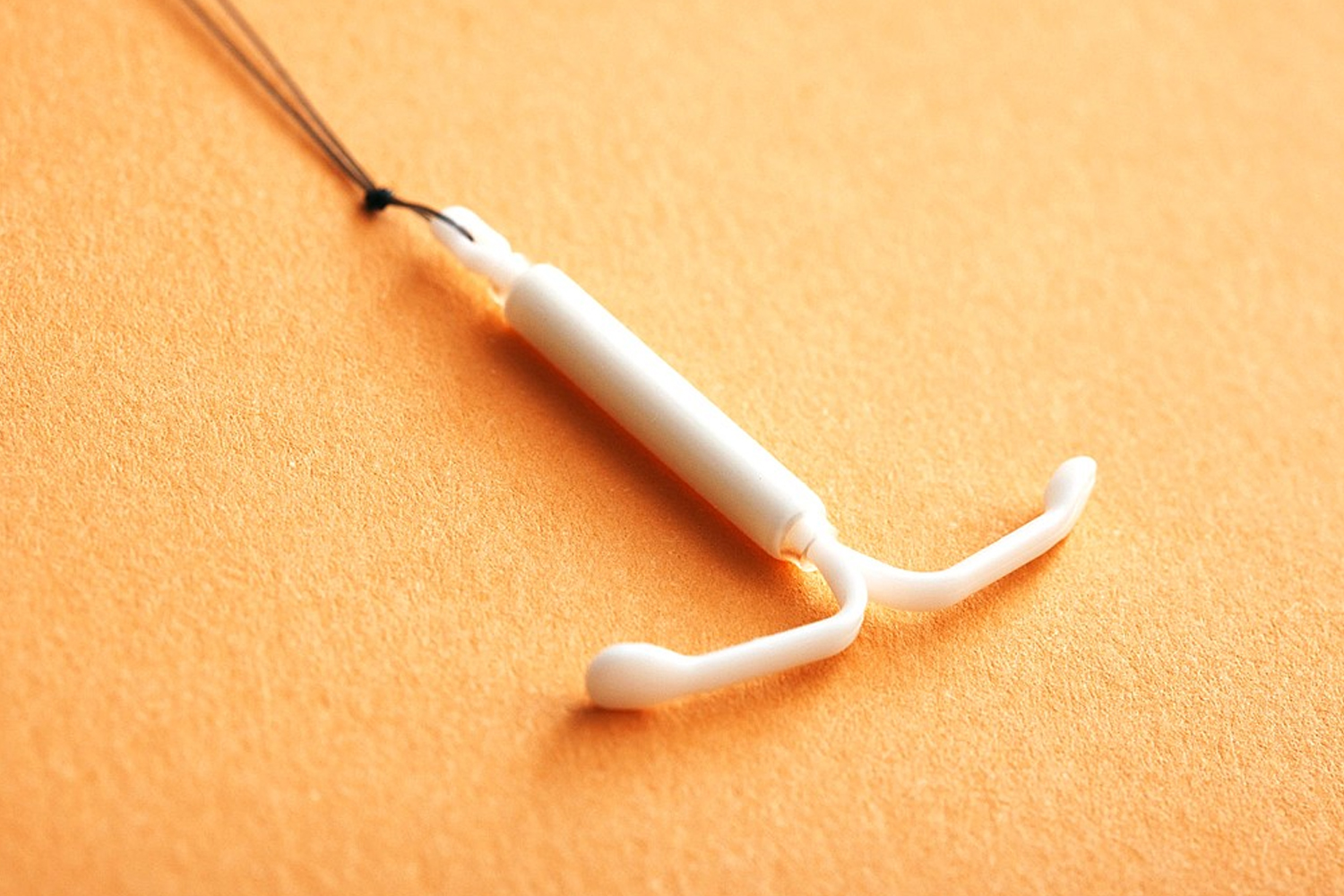
Methods such as the hormonal IUD, injections and the implant under the skin can have a similar effect. The NHS states that with some of these methods, periods can become infrequent or stop completely. If you are using such a method, lighter bleeding usually does not require concern; still, to be sure, tell me about the method you use during the examination.
Weight, diet and excessive exercise
With rapid weight loss and in women who exercise excessively, the amount of menstrual bleeding decreases. When the body senses an energy deficit, it suppresses the reproductive hormones, and the menstrual cycle is one of the first systems affected. The NHS also lists sudden weight loss and too much exercise among the common causes of late or missed periods.
I see this not only in athletes but also in women who follow strict diets to lose a lot of weight in a short time. According to the MedlinePlus page on abnormal uterine bleeding, a weight change of more than 4.5 kilograms can disrupt the menstrual cycle. When diet and exercise are balanced, periods usually return to normal.
Hormonal disorders
In some hormonal disorders, the amount of menstrual bleeding decreases. An underactive or overactive thyroid gland, a raised level of the milk hormone prolactin and polycystic ovary syndrome are the main ones. In these conditions, lighter bleeding is often accompanied by longer intervals between periods.
When the complaint of light periods is hormone-related, I also assess the ovaries with ultrasound. Some ovarian cysts can produce hormones and affect the menstrual cycle; I explain this topic in my article on ovarian cysts.
Intrauterine adhesions
The walls of the uterus sticking together after a D&C (curettage), intrauterine surgery or a uterine infection is a rare but important cause. Because the lining of the uterus cannot develop in the areas that are stuck together, periods become markedly lighter. If your periods have become lighter after a D&C or uterine surgery, be sure to mention it.
Spotting instead of a period, and pregnancy
Spotting instead of a period is very light bleeding that leaves only a few drops or a brown mark on the pad. This bleeding may not always be a real period. Light bleeding in the first weeks of pregnancy can also be mistaken for a period.
If you are sexually active and your expected period was unusually light, I do a pregnancy test first. MedlinePlus recommends that any bleeding during pregnancy be reported to a doctor. I explain what to do when a period does not come at all or is late in my article on a late period.
What do I do during the examination?
First, I ask what your periods used to be like, how long they have been lighter and which methods or medicines you use. Weight change, intensive exercise, stress and past surgeries are also part of the history. Then, with a gynecological examination and vaginal ultrasound, I assess the thickness of the uterine lining and the ovaries.
In women where I consider it necessary, I order a pregnancy test, thyroid hormones, prolactin and ovarian hormones. If I suspect intrauterine adhesions, by looking inside the uterus with a camera (hysteroscopy) I can both make the diagnosis and release the adhesions. We plan the treatment according to these results.
Do light periods affect getting pregnant?
Having light bleeding does not on its own mean that you cannot get pregnant. A decrease due to the birth control pill goes away when the pill is stopped and does not affect fertility. However, some causes of light periods can make pregnancy harder.
Ovulation disorders, reduced ovarian reserve and intrauterine adhesions are the main ones. If you are planning a pregnancy and your periods have become lighter, do not put off the assessment. Finding the cause early widens our treatment options.
When should you see a doctor?
If any of the following applies to you, I recommend getting examined:
- Your period has lasted less than 2 days for several months or has become markedly lighter.
- Your periods have become lighter after a D&C or uterine surgery.
- Complaints such as hot flashes or night sweats have started along with light periods.
- You have lost a lot of weight in a short time or exercise intensively, and your periods have become lighter.
- You want to get pregnant and notice that your periods have become lighter.
If your period was unusually light and is accompanied by pain on one side of the lower abdomen, shoulder pain or feeling faint, do not wait. This picture may suggest an ectopic pregnancy; go to the nearest emergency department.
At my clinic in Kırıkkale, every assessment is planned individually based on your examination and test results. I investigate why your menstrual flow has decreased with hormone tests and ultrasound, and we decide on a way forward together, taking your pregnancy plans into account. To make an appointment, you can use the details on the contact page or call +90 545 405 01 37. You can reach my other articles on the menstrual cycle in the gynecology category.
This article was prepared and reviewed by Prof. Dr. Yavuz Şimşek. Since my infertility training at the Hacettepe University IVF Center, I have put assessing ovarian reserve first in women whose periods are becoming lighter and who are thinking of pregnancy. This article is for general information only and does not replace an examination or treatment.