Most women whose period is a few days late come to the examination with the same question: “Am I pregnant, or is there another problem?” A late period is when menstrual bleeding does not appear even though the expected day has passed, and it is an important gynecological problem. In a sexually active woman, a late period is a sign of pregnancy until proven otherwise; that is why the first step is always a pregnancy test.
Key Takeaways
- In sexually active women, a late period is a sign of pregnancy until proven otherwise, and a pregnancy test should be done.
- Delays can happen from time to time in women approaching menopause and in girls within 2 years after their first period.
- In a girl who has reached the age of fifteen without having her first period, this is abnormal and should be investigated.
- According to the NHS, if you do not know when your period is due, you should take a pregnancy test at least 21 days after unprotected sex.
- Apart from pregnancy, stress, sudden weight change, excessive exercise and hormone disorders also cause a late period.
When is a period considered late?
To understand whether your period is late, you first need to know your own cycle. Because the normal cycle length varies from woman to woman, I assess a delay not against a fixed date on the calendar but against your usual pattern. For a woman who has a period every 26 days, day 32 is a delay; for a woman with a 33-day cycle, it is not.
I explain the limits of the normal cycle in detail in my article on normal menstrual bleeding. Here I will only remind you of this: a one-off shift of a few days is also common in healthy women. As the delay gets longer or recurs, investigating its cause becomes more important.
When should you take a pregnancy test if your period is late?
One of the first signs of pregnancy is not having a period at the expected time. According to the pregnancy test page of the UK National Health Service (NHS), you can take a home urine test from the first day your period is late. If you do not know when your period is due, it is recommended that you take the test at least 21 days after unprotected sex.
The same source states that a positive test result is almost always correct, while a negative result is less reliable. Taking the test too early or not following the instructions can lead to a false negative result. If the test was negative but your period still has not come, repeat the test a few days later; if the second test is also negative, come for an examination.
| Situation | What you should do | Why |
|---|---|---|
| Period a few days late, test positive | Come for an examination to see where the pregnancy is | It needs to be confirmed with ultrasound that the pregnancy is inside the uterus |
| Period late, test negative | Repeat the test a few days later | A test taken early can be falsely negative |
| Second test also negative, no period | Examination and hormone tests | To investigate causes other than pregnancy |
| No period 3 times in a row | Come for an examination without delay | The NHS recommends seeing a doctor in this situation |
| No first period yet at age 15 | Bring the girl for an examination | Delayed puberty or a developmental cause should be investigated |
When are a blood test and ultrasound needed?
If the urine test is positive, I determine the location and week of the pregnancy with a blood pregnancy hormone test (beta hCG) and a vaginal ultrasound. This step is especially important for catching an ectopic pregnancy early. If the test is negative but doubt remains, checking the pregnancy hormone in the blood gives clearer information.

Causes of missed periods other than pregnancy
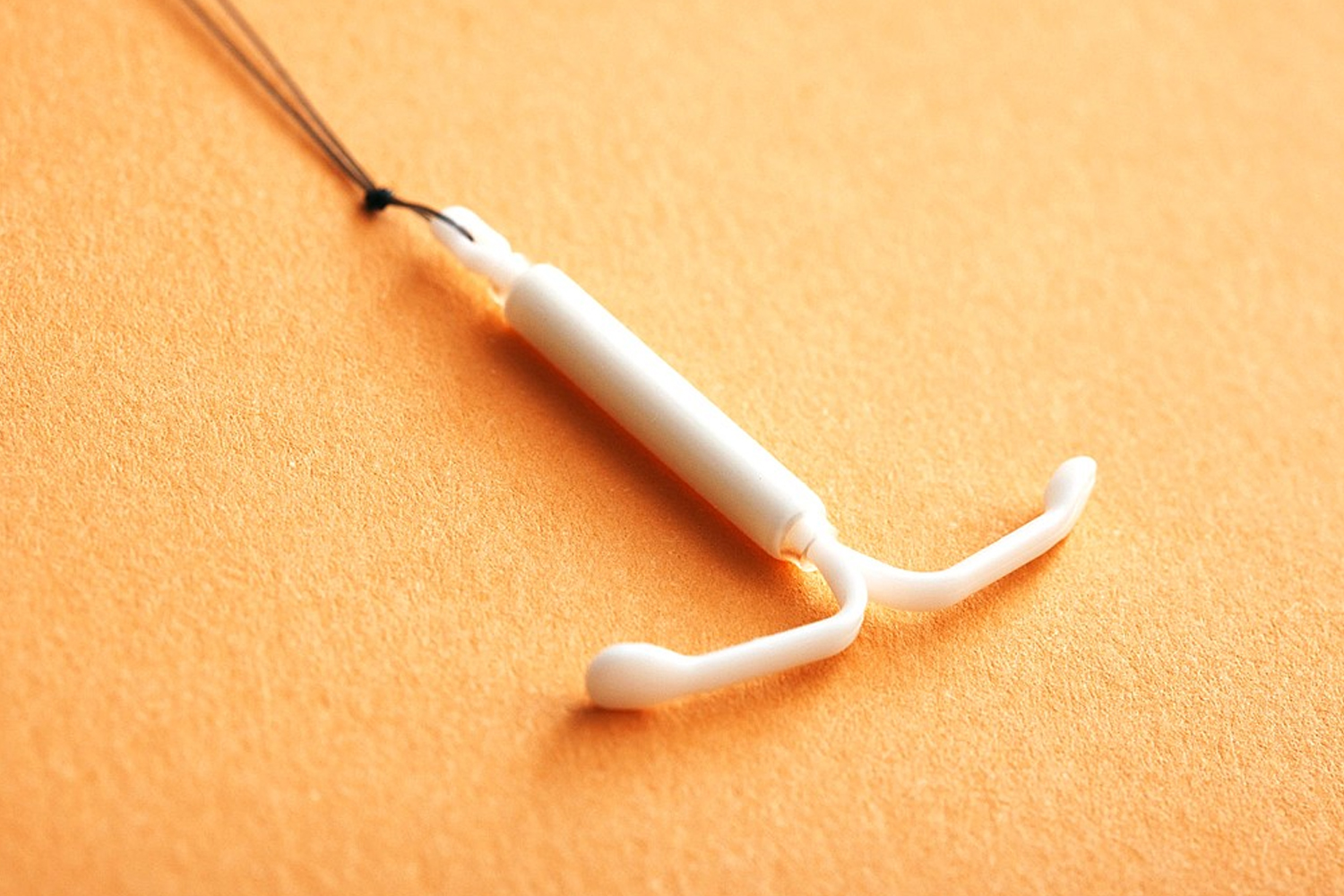
If the pregnancy test is negative, I look for another cause of the delay. The NHS lists stress, sudden weight loss or being overweight, too much exercise, breastfeeding and some methods such as the birth control pill, injections or the hormonal IUD among the common causes of late or missed periods. The same source states that thyroid diseases and diabetes can also stop periods.
The causes of missed periods I encounter most often in my examinations are:
- Intense stress, a long journey or a recent illness.
- Losing or gaining a lot of weight in a short time.
- Heavy exercise and inadequate nutrition.
- Ovulation disorder due to polycystic ovary syndrome.
- Thyroid diseases and a raised level of the milk hormone (prolactin).
- The breastfeeding period and hormonal birth control methods.
- The transition to menopause.
Delays at certain stages of life
Delays can happen from time to time in women approaching menopause and in girls within 2 years after their first period. During these two periods, ovulation does not happen regularly every month, so periods can also be late. The NHS states that the transition to menopause usually begins between the ages of 45 and 55.
Still, I do not dismiss every delay in these periods as “age-related.” In girls, intervals that go beyond the first two years and keep getting longer may show that ovulation has not settled into a regular pattern. Pregnancy is also possible in a woman approaching menopause; if you are sexually active, you need to take a test. If the delay is accompanied by hot flashes or night sweats, I check your ovarian hormones.
Ovarian cysts and hormone disorders
Some ovarian cysts can produce hormones and cause a late period. Some of these cysts disappear on their own within a few cycles; others require follow-up or treatment. I explain which cysts can be monitored and which require intervention in my article on ovarian cysts.
Delayed first period
If a girl has reached the age of fifteen without having her first period, this is abnormal and should be investigated. MedlinePlus, the patient site of the US National Library of Medicine, states that most girls start menstruating between the ages of 9 and 18, with an average age of around 12. The same source writes that further tests may be needed in girls who have not had a period by the age of 15.
According to MedlinePlus, a girl who has reached the age of 14 without other signs of puberty, such as breast development, also needs to be assessed. Causes of a delayed first period include hormone problems, poor nutrition, chronic diseases and congenital differences in the development of the uterus or vagina. When you bring your daughter for an examination, I take the history together with her and, if needed, assess her with an abdominal ultrasound.
Which hormone tests are done during the examination?
After pregnancy has been ruled out, I take a detailed history: your menstrual pattern, weight changes in recent months, stress, exercise, the medicines you use and your birth control method. Then I assess the lining of the uterus and the ovaries with a gynecological examination and vaginal ultrasound. Ultrasound also gives me information about whether ovulation is taking place and whether there is a cyst.
Hormone tests are the foundation of this assessment. I usually prefer to take blood in the first days of the period; if your period is not coming at all, I can also take it on the day of the examination. In women where I consider it necessary, I check thyroid hormones, prolactin, ovarian hormones and male hormone levels. Depending on the results, we plan the treatment together according to your wish for pregnancy and the cause of the delay.
When should you see a doctor?
The NHS recommends seeing a doctor if you have missed 3 periods in a row, if your first period has not started by the age of 15 or if your periods become irregular. In addition, I would like you to get examined in the following situations:
- If the pregnancy test was positive, to confirm where the pregnancy is.
- If your period has not come even though a test repeated twice was negative.
- If the delay comes with a marked change in weight, increased hair growth or more acne.
- If milk is coming from your breasts, or headache or vision problems come with it.
- If you want to get pregnant and your periods are often late.
If your period is late and severe pain on one side of the lower abdomen, shoulder pain, dizziness, fainting or bleeding begins, do not wait. MedlinePlus lists sudden, severe pain occurring in a sexually active woman whose period is more than a week late among the situations requiring emergency assessment; this picture suggests an ectopic pregnancy, and you need to go to the nearest emergency department.
At my clinic in Kırıkkale, every assessment is planned individually based on your examination and test results. If your period is late, we can assess both pregnancy and causes other than pregnancy with ultrasound and hormone tests in the same examination. For a suitable time, reach me through the contact page for an appointment or at +90 545 405 01 37. You can read my other articles on gynecology in the gynecology category.
This article was prepared and reviewed by Prof. Dr. Yavuz Şimşek. The years 2008-2013, when I worked in the field of high-risk pregnancies, showed me again and again how important it is to first clarify where the pregnancy is in every woman who comes with a late period. This article is for general information only and does not replace an examination or treatment.