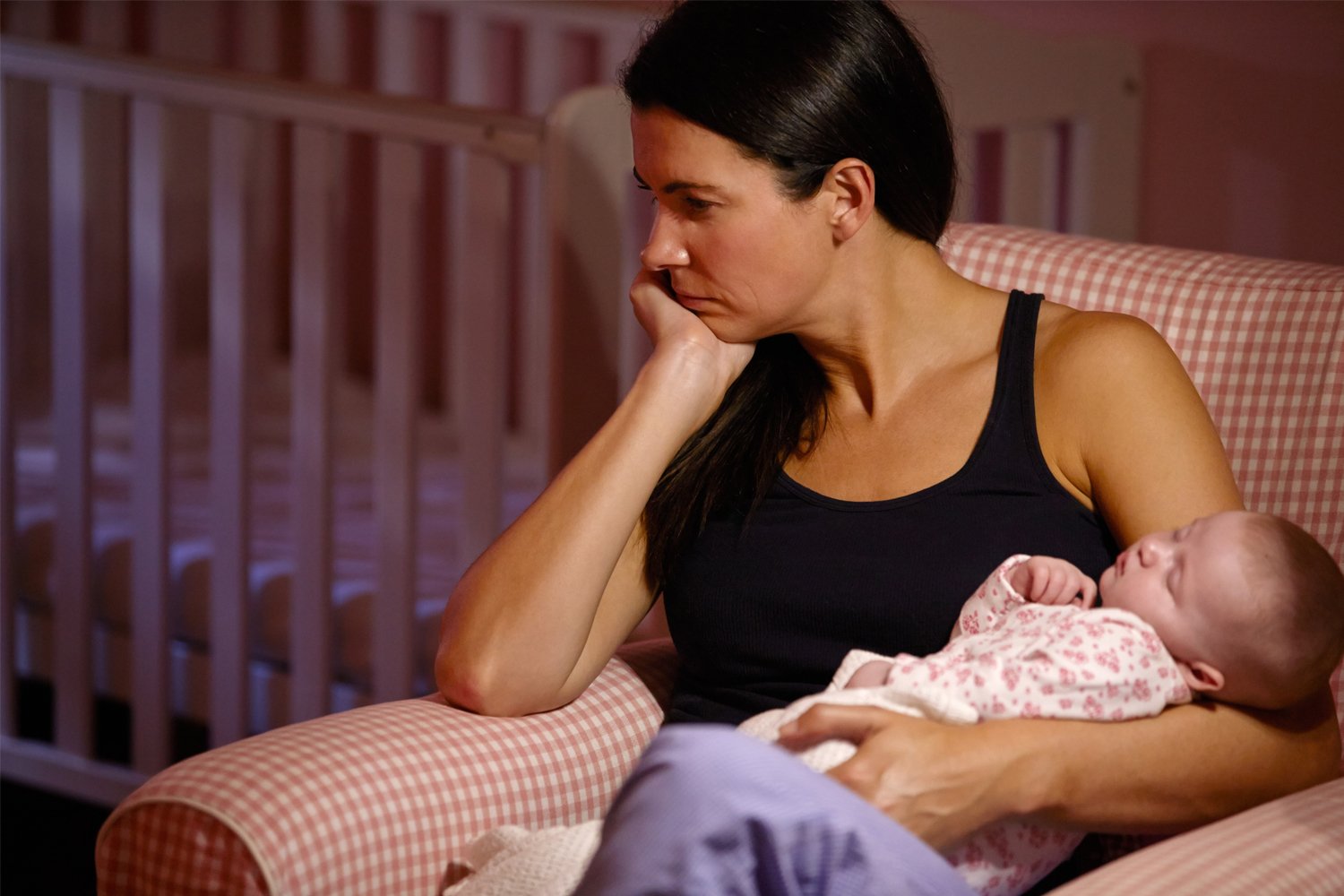
In the months when flu infections increase, the question I hear most often in my clinic is: “Doctor, I have the flu. Will something happen to my baby?” The topic of flu and pregnancy needs particular attention because of the change pregnancy creates in the immune system. Flu is a contagious respiratory infection caused by the influenza virus, with fever, muscle aches and cough. In this article I explain how the flu progresses in pregnancy, when it may affect the baby and how to protect yourself.
Key Takeaways
- When flu and pregnancy come together, the infection is more severe than in women who are not pregnant, and hospital admission is needed more often.
- The incubation period of the flu is 1-3 days on average; the World Health Organization gives this period as about 2 days.
- A simple flu does not cause problems in the baby; problems mostly come from complications such as pneumonia, a secondary bacterial infection or a high fever.
- The flu vaccine can be given at any stage of pregnancy and poses no risk to the baby.
- If you have shortness of breath, bloody phlegm, a seizure or confusion, go to the hospital without waiting.
Who gets more severe flu?
The flu virus spreads more easily to some groups and causes more severe infection in them. At the examination I pay particular attention to these four groups:
- Children under 5 years of age.
- Older people and people with heart or lung conditions.
- People with a weakened immune system.
- Pregnant women.
The World Health Organization’s fact sheet on seasonal influenza also lists pregnant women among the groups at higher risk of severe illness and complications. According to the same source, there are about 1 billion cases of flu worldwide every year, and 3-5 million of these are severe.
What are the flu symptoms in pregnancy?
Flu symptoms in pregnancy are largely the same as in someone who is not pregnant. Sudden fever, chills, headache, muscle and joint pain, weakness, sore throat and dry cough are the most common. The difference from a cold is that the flu starts more quickly and is tiring enough to put a person in bed.
According to the World Health Organization, most people who get the flu recover from the fever and other symptoms within a week without needing medical care. In a pregnant woman, however, I do not want you to spend this period waiting at home. Because the flu can be more severe in pregnancy, you need to let your doctor know when the symptoms start.
Why are flu and pregnancy a risky combination?
The flu is more dangerous for pregnant women than for women who are not pregnant and for men. It is more severe in pregnancy, and serious infection requiring hospital admission is seen more often in pregnant women than in the general population. Women in the later weeks of pregnancy are at greater risk.
The reason is the natural changes pregnancy creates in the body. The growing uterus narrows the space the lungs have to expand, the heart works harder, and the immune system shifts to a different balance to protect the baby. That is why a flu that starts out simple can turn into pneumonia more easily in a pregnant woman.
If you have an additional problem such as gestational diabetes or high blood pressure, you need to be monitored more carefully during the flu. I explained these topics in detail in my articles on gestational diabetes and high blood pressure in pregnancy.
Does the flu affect the baby?
If you have a simple flu, my answer is no. However, if a secondary bacterial infection is added on top of the flu infection, or if it comes with a high fever, the risk of preterm birth and the risk of a neural tube defect (a defect in the development of the spinal cord and brain) in the baby may increase.
In other words, the flu itself is not the real cause of the problems seen in the babies of pregnant women who have had the flu. The problem comes from complications such as the mother’s condition getting worse, the infection turning into pneumonia and needing intensive care. That is why my aim is to keep the flu under control before complications develop.
How does the flu spread, and how long is the incubation period?
When a sick person coughs or sneezes, the virus spreads into the surroundings. Droplets containing the virus get into the air and onto nearby objects. A person who breathes this air takes in the virus; a person who touches a contaminated object and then touches their mouth, nose or eyes can also catch the infection.
The time between the virus entering the body and the start of symptoms is called the incubation period, and it is 1-3 days on average. According to the World Health Organization, this period is about 2 days and can range from 1 to 4 days. The WHO also emphasizes that the flu spreads rapidly in crowded settings such as schools and care homes.
What symptoms appear if the flu gets worse?
If the flu progresses, severe symptoms appear such as high fever, difficulty breathing, dark and bloody phlegm, respiratory failure, seizures and loss of consciousness. If these symptoms are present, hospital admission is definitely needed.
For diagnosis, a swab is taken from the throat or nose. A rapid antigen test and PCR are done on this sample to identify the type of virus. The result helps decide which direction treatment will take.
| Condition | Symptoms | What you should do |
|---|---|---|
| Mild flu | Fever, muscle aches, weakness, sore throat, dry cough | Tell your doctor, rest, drink plenty of fluids |
| Flu needing attention | High fever that does not come down, worsening cough, marked weakness | Get examined the same day |
| Severe flu | Shortness of breath, dark and bloody phlegm, seizure, confusion | Go to the hospital without waiting or call 112 (Turkey’s emergency number) |
How is the flu treated in pregnancy?
Pregnant women with the flu whose condition is severe must be admitted to hospital for treatment. Breathing, heart and brain functions are closely monitored. If necessary, antiviral drugs and antibiotics can be used against the flu and pneumonia.
Your doctor arranges these medicines in a way that will not cause problems for the baby. I do not want you to take medicine on your own at home; do not use any medicine, including fever reducers, without consulting your doctor. In a mild case, rest, plenty of fluids and monitoring the fever are usually enough.
Is the flu vaccine safe in pregnancy?
The most effective protection against the flu is vaccination. A vaccine given before the flu season arrives protects you against the flu to a high degree. The flu vaccine can be given during pregnancy and poses no risk to the baby.
According to the NHS page on the flu vaccine in pregnancy, the vaccine can be given safely at any stage of pregnancy and also helps protect the baby in the first months after birth. According to the NHS, it can take up to 14 days for the vaccine to provide protection. That is why I recommend getting your vaccine before the flu season starts.
Pain in the arm or mild weakness may occur after the vaccine; the NHS states that these side effects usually pass within 1-2 days. If you have a high fever, it is best to get the vaccine after you recover.
How to prevent flu
Even if you are vaccinated, keeping up daily precautions lowers the chance of infection. The precautions I recommend to my patients are:
- Avoid close contact with people who have severe flu.
- Wear a mask in crowded and enclosed spaces.
- Wash your hands often with soap.
- Use disposable tissues when sneezing and coughing; throw them away after use and take a new one when needed.
- Air out the room you are in often.
You can also wear a mask when entering hospitals. Hospitals are places that harbor many germs, including the flu. Taking this precaution when you come for your routine pregnancy checkups helps protect you.
When should you see a doctor?
If your temperature rises while you are pregnant and flu symptoms have started, let your doctor know the same day. If your fever does not come down, or if your symptoms get worse instead of improving within a few days, get examined.
In the following situations, do not wait; go to the hospital immediately or call 112:
- If you are having difficulty breathing or have chest pain.
- If your phlegm has become thick and contains blood.
- If you have had a seizure, or if there is confusion or excessive sleepiness.
- If you notice a marked decrease in your baby’s movements.
- If your fever comes with groin pain, contractions or your waters breaking.
At my clinic in Kırıkkale, every assessment is planned individually based on your examination and test results. To plan the timing of your vaccine before the flu season together, and your baby’s follow-up if you had the flu during pregnancy, you can call +90 545 405 01 37 or use the contact page to book an appointment. My other articles on high-risk pregnancy conditions are in the high-risk pregnancy category.
This article was prepared and reviewed by Prof. Dr. Yavuz Şimşek. I reflect the experience I gained in following pregnant women with infections, when I was the faculty member responsible for high-risk pregnancies at İnönü University, in the advice I give today during the flu season. This article is for general information only and does not replace an examination or treatment.